
This is part of our Digital ID must get sex right campaign |
Digital identities risk enabling “catfishing” crimes

The Children’s Commissioner’s Office has agreed to meet with Sex Matters after we raised concerns that the government’s plans for digital identity risk enabling online crime if the system allows people to falsely verify themselves as the opposite sex.
Anonymity online can be a good thing. It enables people to discuss concerns about a wide range of issues, to express ideas without fear, to be whistleblowers and to seek help.
But anonymity can also be used for deception and crime. “Catfishing” is the deception of hiding behind false profiles on social media, dating sites and gaming platforms for the purposes of financial scamming, sexual blackmail or deceiving victims into an online relationship.
One particularly serious form of catfishing is adults (most often men) adopting false identities to groom others, including children, and to coerce them into sharing explicit images. Such men usually pose as teenage boys, but in a minority of reported cases, male offenders assume female personas, the more easily to gain their victims’ trust.
Sex Matters has been calling on the Secretary of State for Science, Innovation and Technology to take effective action to make sure that the government’s new digital verification services system is able to accurately verify sex. The system aims to provide a convenient means for people to prove facts about themselves. Unless it verifies sex accurately it will make deception easier by providing a government-endorsed “proof” that someone is female when they are really male. This could end up appearing as a new kind of government-endorsed “blue tick” on internet platforms.
Currently, when you use a passport or other paper form of ID to prove anything about you, you necessarily reveal several personal attributes at the same time. Even if all you wanted to do was prove your sex you end up showing your name, and perhaps also your age, nationality or address. By contrast someone using the digital identity system could be able to “prove” that they are female without revealing a single other fact. They would then be able to use a false photograph, name and age to create a fake persona, and then, in effect, add “Trust me, I’m a woman” with government backing. As the system is currently designed there is nothing to show that their false sex came from an unreliable source.
A spokesperson for the Children’s Commissioner told The Times:
“The safety of children must always be the paramount concern in any new legislation or policy, and we take anything that might undermine that extremely seriously. The Children’s Commissioner’s office is considering the points raised in the letter from Sex Matters and looks forward to meeting to discuss these further.”
However, a government spokesperson said that it was “deliberately misleading to suggest that digital identities would embolden perpetrators who are committing these heinous crimes.” They also said:
“We have been clear that evidence from documents like passports or drivers’ licences should not be used to digitally validate biological sex in the same way these physical documents cannot prove biological sex in person.”
We think the government’s assertion that there is nothing to worry about is baseless and reckless. The government’s latest version of its trust framework doesn’t say a thing to warn digital verification services or data users against trusting what official sources say about whether someone is male or female. Data that someone is female (or male) is presented as being every bit as accurate as other personal information, such as nationality and date of birth.
Below is an overview of cases where people have used cross-sex identities to commit crime online.
The crimes
Sex Matters has documented 45 cases over the past decade where men have impersonated women or girls online for criminal purposes, and a further seven where women pretended to be men or boys.
This information was gathered by searching local news reports online. It is therefore by no means exhaustive, and the true number of such cases, including those that were not reported to the police or prosecuted, is likely to be higher. Over two-thirds of the men found in this search sought to target children. But this may not be representative of all men who commit such crimes, since offending against children is a priority for law enforcement and also regarded as more newsworthy than offending against adults.
The victims
Targets for males with female online personas
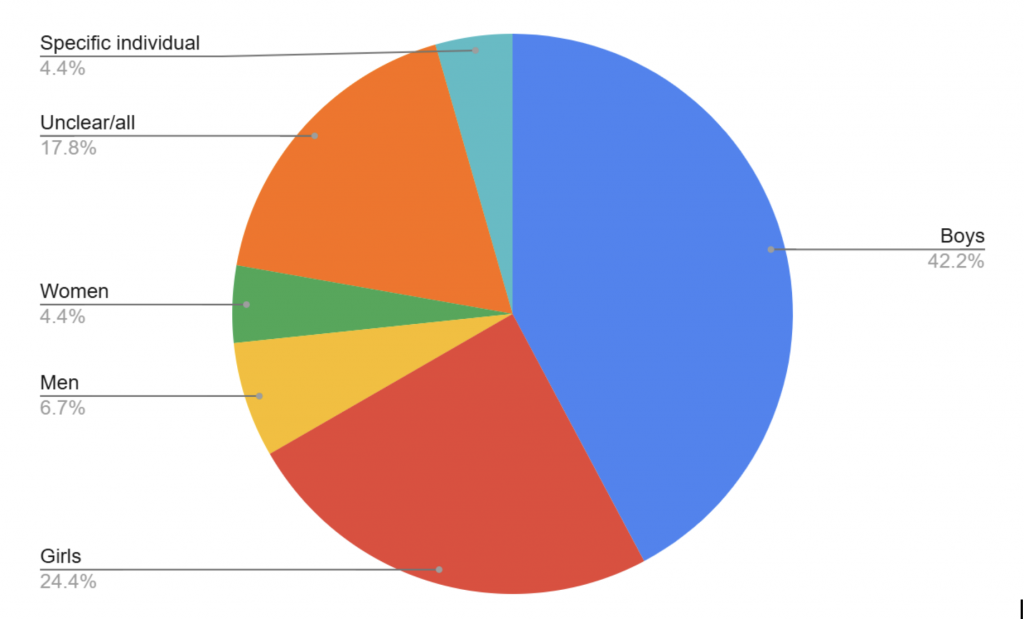
Of the male perpetrators, at least five also identified as transgender women offline and one said he had “considered identifying as female in the past”.
These crimes often come to light through law enforcement or vigilante operations using decoy profiles. The primary motive in most cases is sexual exploitation, though a small minority involve blackmail, personal animosity or fraud.
The platforms used include gaming sites, retailers like Gumtree, social media SnapChat and Facebook, as well as hook-up apps and dating sites.
Of the women who adopted male online personas, six did so for what appeared to be sexual purposes and one did so to commit fraud. Three of the perpetrators targeted girls, one deceived a teenager who was slightly younger than her and the remaining three targeted adult women. None identified as trans, and all targeted females.
Examples of offences
At the most extreme end of male offending are cases such as that of Matthew Falder, a university academic, who posed as a woman online to target over 50 victims over seven years. He admitted 137 offences, including encouraging a teenager to rape a four-year-old boy. His conviction marked the UK’s first major prosecution for “hurtcore” – a term for sadistic abuse shared online.
Perhaps the most prolific female offender identified was Gemma Watts. Watts posed as a 16-year-old boy, “Jake Waton”, on social media and swapped intimate photos with victims aged 13 to 16 before meeting at locations across England. She is estimated to have targeted around 50 girls, two of whom made suicide attempts because of their experiences. Passing sentence, Judge Susan Evans QC noted that Watts targeted children because their youth “made them more naive and made you more likely to get away with your deception”.
The most common offences involved activities such as sending explicit content to children and coercing them into creating content of themselves. For example Andrew Cook, a 30-year-old school rowing coach, posed as a 16-year-old girl named Anne Jones to trick boys aged 13 to 17 into sending him indecent images.
Penalties ranged from requiring offenders to sign the sex offenders’ register and the issue of sexual harm prevention orders to lengthy jail terms.
The danger of misleading digital identities
This analysis highlights how offenders can use cross-sex false identities online to deceive and abuse victims, especially children.
Some of the perpetrators identify as trans and some do not, but the point is you cannot tell. It is easy to change sex on an official form of ID such as a passport, meaning that under the planned new system it will be easy to use this as the basis for a digital identity.
People will be able to use government-certified digital identity systems to “prove” their sex while keeping their other personal data private (they could use a nickname and a fake photo avatar together with a “verified” sex, for example). This will enable predators to manipulate trust through fabricated identities, where their “sex” has a seal of government approval.
If you are concerned about this, write to Peter Kyle, the Secretary of State for Science, Innovation and Technology at [email protected] asking him to make sure that sex data is accurate when it is used for digital identities.
Case studies
Men who posed as women online
 | Nathan Cheslin, 21, used the name Emily on an online message service. He was reported to the police after he asked a 12-year-old girl to put on a “party dress” and high heels, and then sent her pictures of another girl in her underwear as an indication of how he wanted her to pose. Interacting as Nathan, he begged the girl not to alert the authorities and then contacted her again as Emily saying that Nathan had been sacked. His home was raided and officers found evidence of several webchats on his laptop, along with indecent pictures and films of children. One was of a 13-year-old girl carrying out an indecent act over a webcam. |
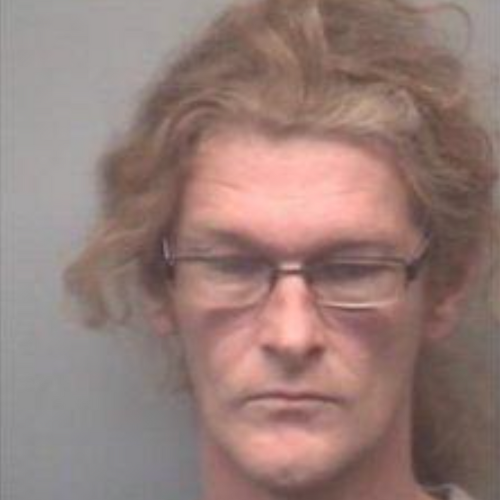 | Gary Cooper, 47, fabricated a profile on a social-network site in which he purported to be a 15-year-old girl called Chantelle. He used the online site to meet his victim, a 12-year-old girl, and then took her to Hertfordshire, via Essex, where he raped her. A police investigation uncovered a series of offences against the 12-year-old and another girl, to which Cooper pleaded guilty. Cooper, who now identifies as a woman and goes by the name Carrie, was later convicted of nine counts of sexual assault of another girl, when she was aged between 7 and 11. |
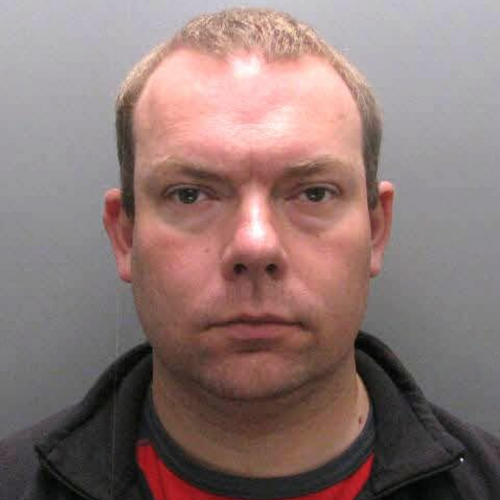 | Jonathan Garner-Harris, 37, deputy director of a children’s activity centre in North Yorkshire, was sentenced to four years in prison for his role in a paedophile ring. He had admitted to inciting child sex offences and to possessing, making and distributing indecent images of children. Garner-Harris pretended to be a woman and invented a daughter who was aged between 12 and 14; he also posed as a woman on a nudist website to connect with other offenders in the UK, Australia and the US, engaging in explicit conversations and encouraging abuse. |
 | Daniel Gribbin, 42, lured a 16-year-old girl into prostitution after posing as a 17-year-old girl in a chatroom in 2012. The victim, whose mother was seriously ill, agreed to have sex for money twice, fearing debt. Encouraged by a friend to join the chatroom, she received messages from Gribbin, who pretended to be a girl of a similar age. He later drove to meet her for sex, paying her £50; when the condom split, he gave her an additional £20 for the morning-after pill. Four days later they had intercourse in a park, and Gribbin paid her again. |
 | Luke Potter, a 20-year-old from Hanley, Staffordshire, breached a sexual harm prevention order by creating fake dating profiles. He posed as two different women after taking images from their Facebook profiles. He pretended to be a lesbian. |
 | Mark Sorenson, 50, admitted to attempting to incite a girl aged 13 to 15 to engage in sexual activity, among several other offences. Police said there was evidence that he posed as a girl online to carry out some of his crimes.He also pleaded guilty to arranging or facilitating the commission of a child sex offence, and to 10 offences of making indecent images of children. His crimes were all committed between 2010 and 2013. |
 | Thomas Grace tricked 14 boys aged between 13 and 15 using pictures of a female porn star to hide his true identity. Over two years, he coerced them into performing sex acts while he watched online. He pleaded guilty to 32 charges.His crimes came to light only when the father of one victim found sexually explicit content on his son’s laptop. The father took the laptop to the police, who investigated the accounts used and traced them to Grace, who was working as a computer specialist in Nottingham. |
 | Thomas Pryce, 19, set up fake profiles online, pretending to be a girl to encourage boys to send him explicit pictures. Indecent images and videos were recovered during a search of his computer equipment: it emerged that he had contacted more than 90 children online. Pryce admitted to 15 counts of making indecent photographs of a child, 13 counts of inciting a child to engage in sexual activity and three counts of distributing indecent images of children. |
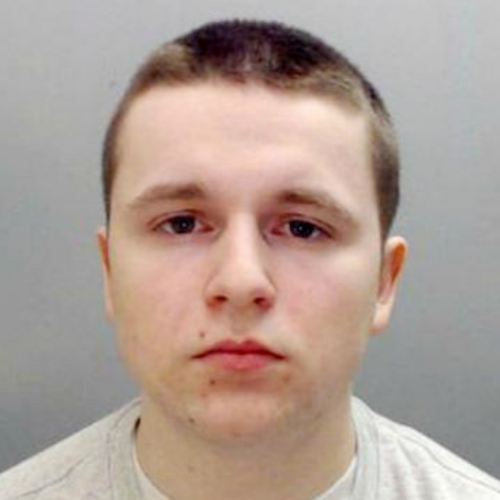 | David Harmes, 20, lured young girls into performing sex acts by posing as popular characters he thought would appeal to youngsters. He claimed to be fashion icon Zoella, a member of boy band “Bars and Melody” and a modelling agent. Harmes contacted victims across the UK by Skype using the false identities and coerced them into sex acts. He admitted to 35 offences against 28 victims, aged 8 to 18, and asked for a further four offences to be taken into consideration. The offences included causing or inciting a girl under 13 to engage in sexual activity, and making and distributing indecent photographs of a child. He did not meet up with any of the victims. |
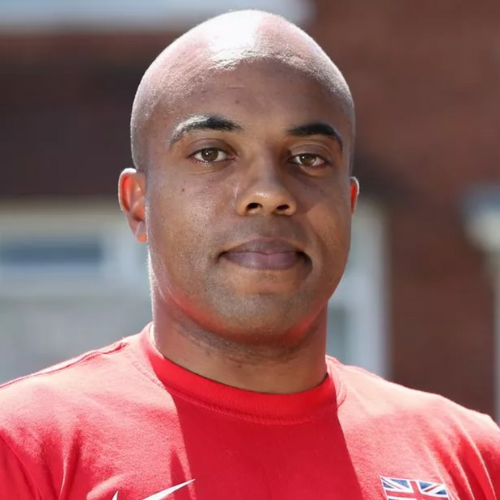 | Alastair Abrams, 34, pretended to be a woman online to trick another man into performing degrading sexual acts on camera. He then blackmailed his victim. The sports coach and pub landlord created a fake female persona and sent the man messages over social media. Abrams managed to convince his victim he had a female admirer and sent him pornographic pictures, claiming that they were nude photographs the woman had taken of herself. Several weeks into the deception, Abrams sent his victim the message: “You’re part of the game now, if you don’t stick to the rules I’ll expose you to everyone.” After this, his demands escalated. He told his victim to perform degrading sexual acts on camera and send him the footage before publishing some of the photos on social media. |
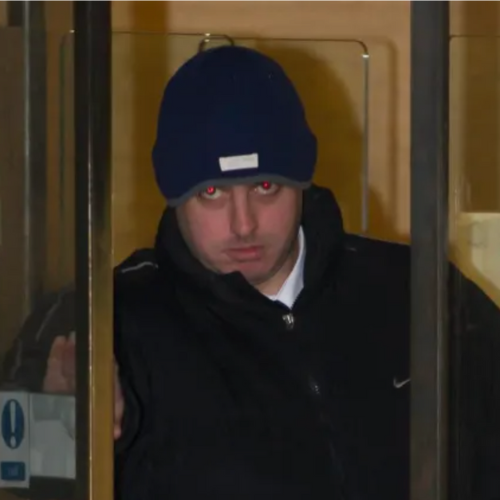 | PC Adam Cox, 31, posed online as a 17-year-old called Emily Whitehouse to encourage men to send sexually revealing photographs. He was working as an officer in Parliamentary and diplomatic protection when he committed the offences. He found images online of a Canadian woman who had committed suicide at age 21 and used these for his online alter-ego.His computers were seized and found to contain the chat logs and internet searches for “pre-teens”. This included 1,691 indecent and extreme images, with one featuring an infant and others showing children as young as seven.The three men who had engaged in online chat with “Emily” admitted attempting to possess indecent images of children. |
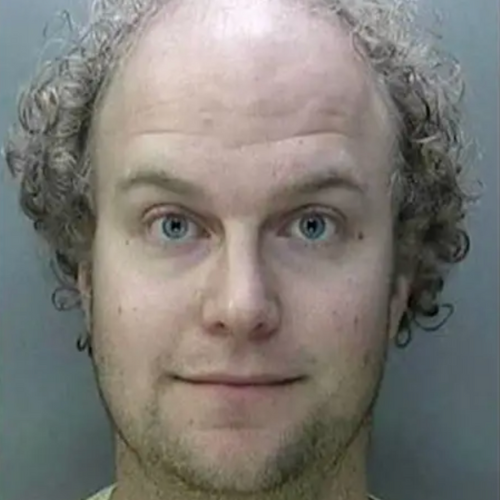 | Matthew Falder, 28, contacted 50 victims online over seven years, posing as a female artist and sharing images on the dark web. The former geophysicist researcher at Birmingham University admitted to 137 charges.The case was said to be the National Crime Agency’s first successful “hurtcore” prosecution. Hurtcore relates to hidden forums on the dark web dedicated to sharing images and videos of rape, murder, sadism, torture, paedophilia, blackmail, humiliation and degradation. Falder’s victims were offered money in return for sending him naked photos, the court heard. He then blackmailed his victims into sending increasingly obscene images. He also admitted to causing the sexual exploitation of a child, encouraging the rape of a four-year-old, making and distributing indecent images of children and voyeurism. Among the images he shared were photographs showing children and babies being tortured. |
 | Jasmine Hill, a man who identifies as a transwoman, created fake social-media profiles to lure boys into sending explicit images. The 20-year-old used platforms such as Facebook, Snapchat and WhatsApp to target teenagers. Despite having been convicted of similar offences in May 2015, he persisted in preying on teenage boys. The offences were uncovered when police conducted a routine check to ensure he had not violated a protection order. |
 | Daniel Hackett, 31, pretended online to be a teenage girl from Leeds called Caitlin. He thought he was talking to a schoolgirl called Hannah who used the name Princess Unicorn, but he was in fact corresponding with an undercover police officer. Hackett later introduced himself as the 30-year-old brother of the fictitious Caitlin during the same Skype conversation. He asked “Hannah” about her figure and whether she was a virgin, before suggesting that they go to a park or a hotel to have sex, and that she would have to keep the arrangements hidden from her parents. He was arrested and his phone and computer were seized, but no further evidence was found of offending conversations. Hackett admitted attempting to make sexual communication with a child. |
 | Matthew Sargeant, 23, from Harrogate, posed as a teenage girl on Skype and Facebook to exploit boys aged 10 to 14. He persuaded them to perform sexual acts and send him explicit images, using teenage girls’ photos as profile pictures to deceive them. Police seized computers from his student accommodation in Worcester and his Harrogate home. Sargeant coerced one boy into sharing nude photos of his 13-year-old girlfriend, then threatened to expose him. |
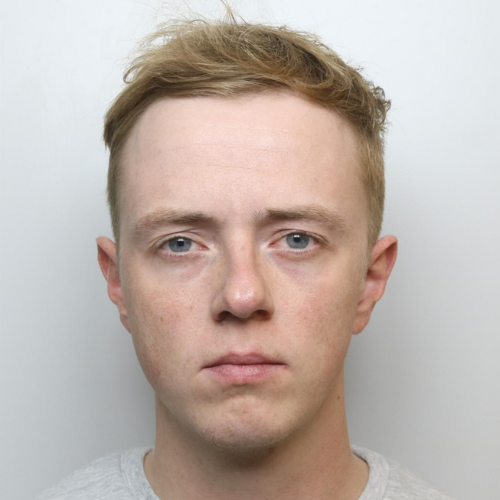 | Callum Dower, 26, from Wincanton, was jailed for more than 11 years after breaching a sexual-harm prevention order from 2013 that banned him from contacting children online. Posing as a woman on social media between December 2016 and September 2023, he deceived boys aged 13 to 17 into sending him naked pictures, believing they were communicating with a young woman. Wiltshire Police investigated after victims reported him, tracing seven of them to locations in Somerset and Wiltshire. Dower pleaded guilty to 15 breaches and three counts of inciting child sexual activity. Winchester Crown Court deemed him a significant public risk. |
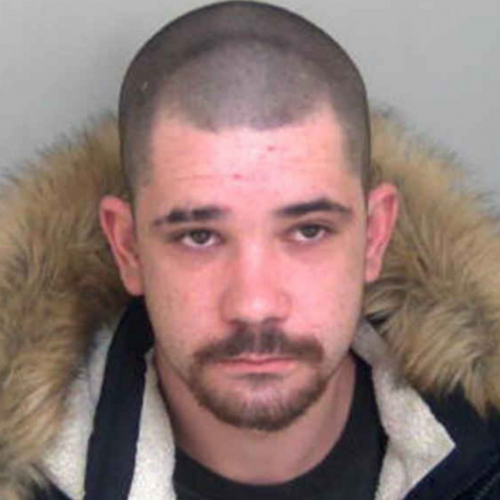 | Scott Chapman, 24, was discovered to have masqueraded as a young girl online after police raided his home following a tip-off. Searches at his residence and another address led officers to seize a mobile phone linked to Chapman containing over 550 indecent images of children. The device also revealed multiple social-media apps where he had either posed as a young girl or shared indecent images with others. |
 | Convicted sex offender Jack Smith, 25, created a fake online dating profile under the name Charlotte Ulwin. By failing to tell police he was using an alias on the website, he breached the requirements of the sex offenders’ register. After receiving intimate images from a woman on the site, he became abusive and threatened to share them with her family. Smith, from Peterborough, admitted sending threatening messages, breaching a sexual-harm prevention order and failing to comply with the sex offenders’ register. |
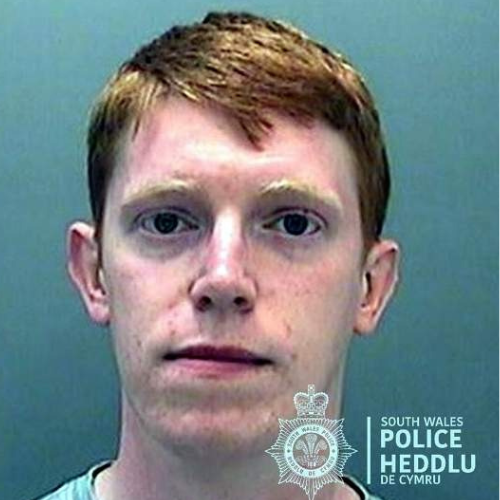 | Jamie Hopes, a 24-year-old army cadet trainer from Maesteg, South Wales, posed as a 15-year-old girl online to manipulate 40 teenage boys into sending him indecent videos. Police linked graphic content on Tumblr to Hopes’ IP address, later uncovering 50,000 indecent images and videos of children on two devices at his parents’ home, some shared with other paedophiles. A file titled “For Baiting” contained material used to deceive his victims, whom he groomed across various social networks. Hopes pleaded guilty at Cardiff Crown Court to 15 charges, including inciting child sexual activity and distributing indecent images. |
 | James Utting, 36, from Aldershot, Hampshire, posed as a teenage girl to target 401 boys aged 8 to 15 across the UK. At Winchester Crown Court, he pleaded guilty to 43 offences, including possessing and distributing indecent images and inciting sexual activity, linked to 11 victims. Utting sent pornographic images, pretending they were from a girl, to trick boys into sending nude photos and videos of sex acts. He then blackmailed them, threatening to share the material unless they sent more. For 19 victims he followed through, sending images to their schoolfriends and families. Some victims were recorded “crying and begging” him to stop. One 14-year-old victim described overwhelming paranoia and despair after his images were shared at school, feeling that life now had “no meaning”. |
 | Andrew Cook, 30, posed as a 16-year-old girl named Anne Jones to trick boys aged 13 to 17 into sending him indecent images. The rowing coach, who worked at Hampton School in south-west London, targeted his victims over a period of nine years. The police were alerted to Cook’s activities by the school. He also pleaded not guilty to charges relating to three more boys, which were not tried but lie on file. |
 | Oliver Bromley, 38, posed as a young girl on Instagram to deceive a 12-year-old girl from Pennsylvania into sending him naked photos. Forensic analysis of Bromley’s laptop and phone uncovered 203 indecent images, including 68 in the most serious category (A), mostly of girls and boys aged 6 to 13. Bromley told police he accessed the images “out of curiosity” for sexual gratification, and used an anonymous browser to search for content about underage children and incest. US Homeland Security tipped off UK police after the girl reported the Instagram account “DJBrokenArrow2017”, which was traced to Bromley. |
 | Jonathan Paige, 31, from Worthing, Sussex used Facebook to target young girls by posing as an 11-year-old girl. He contacted a 12-year-old victim three times, asking explicit sexual questions. He had previously admitted charges of grooming, inciting a child to engage in sexual activity and possessing more than 450 indecent images of children. Sussex Police arrested him after the girl’s mother reported suspicious online activity, and described him as a predatory paedophile who exploited the internet to groom vulnerable girls, contacting over 50 via Facebook and MSN at the peak of his offending: activity representing “some of the most dangerous behaviour imaginable”. |
. | David Wilson, 36, a former roofer, posed as girls online to trick boys into sending explicit images, pleading guilty to 96 child sex abuse offences involving 52 victims. The National Crime Agency revealed that he had targeted over 5,000 children worldwide. Using fake social-media profiles and unregistered phones, Wilson exchanged internet-sourced images of girls for boys’ videos, then blackmailed them for more extreme content, sometimes involving abuse of siblings or friends. One boy was groomed while he was struggling with the effects of his father dying from cancer, and another pleaded for Wilson to stop as his grandfather was about to die. He twice followed through on threats to share victims’ images. The boys, aged 4 to 14, were targeted between May 2016 and April 2020, with some in severe distress, including threats of suicide. |
 | In 2017 Geraint ap Dewi Rowlands was handed a two-year suspended sentence and banned for 10 years from using any social networking websites or apps without first making the police aware. A convicted male sex offender, he posed online as a 56-year-old lesbian named Carol to search the internet for disturbing content. |
 | Oliver Derbidge, 25, from Glastonbury, Somerset, posed as a woman named Emily Beecham on Snapchat to coerce boys into sending intimate photos. He then blackmailed the boys, threatening to share their pictures if they didn’t supply images of themselves abusing other children.Derbidge pleaded guilty to nine charges at Taunton Crown Court. The National Crime Agency launched an investigation in January 2021 after Australian police linked a UK account to an offender sharing indecent child images. The agency identified 23 victims, all of them boys aged between 11 and 16. Senior officer Phil Eccles said Derbidge had gone to “great lengths” to satisfy his sexual attraction to young boys. |
 | Jonathan Woodward created fake female profiles online to lure children into sexual acts, which he recorded.Police began to investigate him after a suspected indecent image of a child was seen on his mobile phone. On his arrest, examination of the devices revealed contact with children across the world on multiple social-media platforms.Woodward used software to identify the areas where his victims lived, and then used this information and the recordings to threaten the young victims and to obtain more graphic material. |
 | Cameron Osman, 45, from Southampton, posed as a teenage girl online to groom boys aged 12 to 16. Between September 2020 and July 2021, the former manager of a children’s holiday camp used fake profiles, supported by images, to trick victims into sexual activity via webcam, claiming his camera was broken. The National Crime Agency found he contacted over 300 people worldwide, including 76 in the UK. Arrested in September 2021, he continued offending while on bail, targeting another child and an undercover officer posing as a 14-year-old. He pleaded guilty to 36 charges at St Albans Crown Court. Bethany Raine, a specialist prosecutor in the CPS’s Organised Child Sexual Abuse Unit, said: “Posing as a teenage girl he manipulated numerous boys into believing they were in a relationship and engaged them in sexually explicit conversations. Some were tricked into performing sexual activity on camera for Osman’s gratification.” |
 | Ronald Howard, 26, posed as a 19-year-old woman online and sent indecent images to someone he thought was a 13-year-old girl, but who was actually an undercover police officer. The chat turned sexual, with Howard sending an image of a woman exposing her breasts and, later on Snapchat, a photo he claimed was of her boyfriend’s penis. He also urged the “girl” to send him pictures. Howard had previously served three months in jail for child abduction. Police traced him via his phone number, known to the probation service. |
 | Lewis Haigh, 22, created fake accounts on both social media and sites offering sexual services, under the name of a woman he was stalking. One account gained over 200 comments and 1,300 shares. He sent messages threatening to rape and kill his victims, as well as unwanted gifts and takeaway deliveries. Haigh also threatened to share “revenge porn” images online. He pleaded guilty to stalking, making threats to kill and resisting a police officer. A psychiatric report indicated he showed traits of an emotionally unstable personality disorder. |
 | Jay Lang, 24, from Canvey Island, Essex, posed as a 16-year-old girl on Snapchat and Instagram, targeting boys aged 11 to 16. He persuaded them to send him indecent images, then blackmailed them for more explicit photos or money, threatening to share their pictures if they refused. Conversations, initially flirtatious, turned sexual and were recorded on his phone. Lang later revealed his true identity, escalating demands. He physically abused one boy after forcing him to agree to a meeting, and coerced another into filming a sex act with a friend. Police found 540 videos and 140,000 images on his phone, identifying 220 potential victims. Essex Police called it their largest child-exploitation case. Lang’s three-year “compulsive conduct” persisted despite a relationship and fatherhood. |
 | Anthony Lonsdale posed as his teenage sister “Tia” on Instagram and Snapchat, and also as a 12-year-old boy, to groom and abuse young girls. He targeted a 13-year-old from Mansfield, demanding nude photos and threatening to “slice her wrists” if she refused. After meeting with the girl at a McDonald’s, disguised as a female friend, Lonsdale tried to contact the girl’s younger sister. Using other false online identities, he berated the girl for blocking his messages and told her that “Tia” had attempted suicide and was going to die. More offences came to light when Lonsdale called the police saying he felt suicidal while on bail. Phone analysis showed conversations with multiple teenage girls and nude pictures.He visited the Mansfield area dressed as a teenage girl to meet a 14-year-old girl in a park. He said he had no money to get home and asked her to convince her mum to let him stay overnight. The girl’s mum knew that Lonsdale was a boy but accepted his “sob story” and allowed him to stay in a separate bedroom while monitoring the landing with CCTV. When police arrested him for the second time, Lonsdale denied providing false names and ages and a false sex, and said he used the name Tony and was aged 20. He said he had considered identifying as a female in the past. |
 | Keith Edun was found to have encouraged the rape of a baby online. He posed as a woman called Sally on different social-media platforms for many years.Investigations linked an account to Edun’s address. In September 2021 his digital devices were seized. Data showed he would regularly install and uninstall the app in an attempt to hide his online activity. When questioned, he denied knowledge of the images and claimed he had been hacked and that there had been an error with the router provided by his internet service provider.Edun pleaded guilty to inciting the rape of a baby, distribution of indecent images of children, two counts of making indecent images of children and perverting the course of justice. |
 | Ben Thompson from Bolton posed as a teenage girl named Erin online to groom young boys. The 23-year-old pleaded guilty to 28 counts of inciting children under 13 into sexual activity, sexual communication with them and possessing indecent images. Using the alias “Erinstewart788”, he built rapport with dozens of boys before demanding explicit images and videos. An investigation began after an 11-year-old’s parent alerted police. It uncovered thousands of sexualised messages with victims across Manchester and the south-west and north-east of England. Thompson intimidated non-compliant boys with threats like “block me and you’ll regret it” and by saying he would expose their photos online. Detective Sergeant Matt Quayle described Thompson as a “calculated and depraved individual who coerced teenage boys into sexual behaviour for his own perverse sexual gratification. When they didn’t comply, he sent them vile threats which we know had a huge impact on the young victims and their mental health.” |
 | Dominic Woodcock, 20, from Erdington, posed as a 12-year-old gymnastics fan named Chloe to target girls aged 10 to 12 between 2021 and 2023. He created fake social-media profiles to befriend victims. He pleaded guilty to possessing indecent images and inciting children into sexual activity. West Midlands Police said he built trust with the girls before demanding explicit photos, threatening to share them online if they refused. During his arrest officers seized his phone, uncovering incriminating images and messages. Police suspect that more victims exist. |
 | Daniel Lee, 29, set up fake social-media profiles as both girls and boys to groom children. After he had gained a victim’s trust, Lee would steer the conversation to become sexual before requesting they engage in sexual activity. In some cases, he offered victims payment for indecent images. In others, the victims believed they were in a relationship with Lee. An investigation revealed he committed sexual offences against over 30 children aged 12 to 15. CPS specialist prosecutor Bethany Raine stated that Lee “set up multiple accounts with false personas, with the predatory aim of targeting children online to obtain sexual images of them”. |
 | Alexander McCartney, from Northern Ireland, posed as a teenage girl online to befriend, abuse and blackmail children globally, some as young as four. The 25-year-old admitted to 185 charges. He was also found guilty of manslaughter after a 12-year-old victim, Cimarron Thomas from West Virginia, took her own life during his abuse in 2018. Police launched an urgent investigation in March 2019 after a tip from Scottish police, seizing 64 devices from his rural Lissummon Road home near Newry. These held vast numbers of indecent images and videos of girls coerced via Snapchat. McCartney, who groomed victims into sending explicit content and shared it with other paedophiles, threatened to expose them online. Northern Irish police, alongside US Homeland Security and the National Crime Agency, identified victims across the UK, US, New Zealand and 28 other countries. Detective Chief Superintendent Eamonn Corrigan described McCartney’s actions as “offending on an industrial scale”. CPS prosecutor Catherine Kierans noted McCartney’s relentless manipulation of girls aged 10-12, saying he was one of the most prolific child abusers she had ever seen. |
 | Edward Durlik, 41, from Woking, set up fake online profiles as an 11-year-old girl, a 13-year-old boy and a 13-year-old girl to groom children. For one of these, he used photos of a child he knew. His oldest victim was 14. He invented a points game to trick one girl into sending explicit photos and videos, pressuring her for more if she resisted. Police intervened after a father discovered chats on his daughter’s phone.Durlik was arrested in June 2023 for inciting a child under 13 into penetrative sexual activity. A forensic search of his phone revealed 1,055 indecent images, including 258 Category A images, the most serious type. |
 | George Rogers, 25, posed as a girl online and contacted dozens of children across Europe, the US and the UK.One child told the court that Rogers’ actions had left her scared to leave her house. Another victim said she struggles to trust anyone and feels anxious if she is in a social situation with men she does not know. Two of his victims were teenage girls living in the West Mercia and Hampshire police areas, and Rogers was reported to those forces in late 2022.A warrant was granted in February 2023 that led to his arrest and his electronic devices being seized.Rogers pleaded guilty to 11 counts of sexual communication with a child, 11 counts of making indecent photographs of a child and seven counts of threatening to disclose private sexual photographs and films with intent to cause distress. He also admitted to two counts of inciting a girl aged 13 to 15 to engage in sexual activity and one count of sending a letter, communication or article conveying a threatening message. |
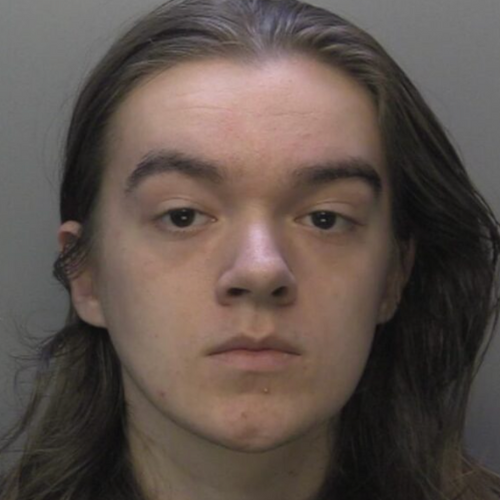 | Ryan Stone, now 21, posed as a young woman named Isabella online, targeting boys aged 11 to 17 across the UK. He incited them to perform sexual acts, recording and storing the footage. Victims were traced via screen recordings capturing their Instagram usernames. Stone faced 15 charges, including inciting a child to engage in sexual activity and making indecent images. Detective Constable Connor Leney said: “It is cases like this which show why it is so important to be aware of fake profiles and to have conversations with children about who they might be talking to online.” |
Women who posed as men
 | Gayle Newland, 27, was convicted of impersonating a man for over two years to deceive a female friend into sex. She used stolen images to create a fake online persona, Kye Fortune, and claimed to be undergoing cancer treatment. The victim, believing she was in a relationship with Kye, was persuaded to wear a blindfold during their encounters. Newland denied wrongdoing, claiming it was consensual roleplay. She was found guilty of three counts of sexual assault. Her previous conviction was overturned due to an unfair trial, leading to a retrial in which she was once more found guilty. |
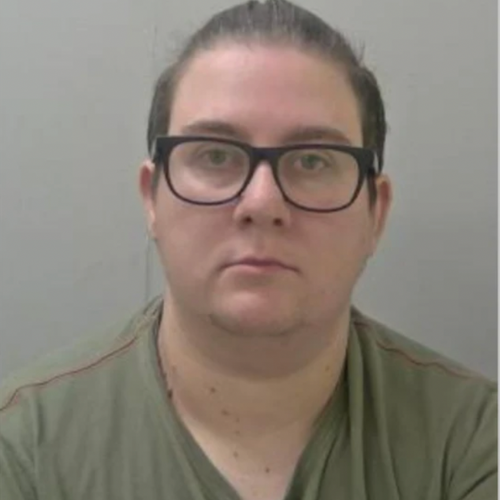 | Blade Silvano, 41, posed as a man to deceive a woman into a sexual relationship. Using a fake profile in 2016, Silvano convinced the victim she was a British military officer, even sending staged photos. She maintained the deception over 18 months, using a strap-on sex toy while concealing her body. The victim, believing she was in a real relationship, was devastated upon discovering the truth.Silvano was found guilty of assault by penetration. The judge condemned her actions as “unspeakably cruel”. |
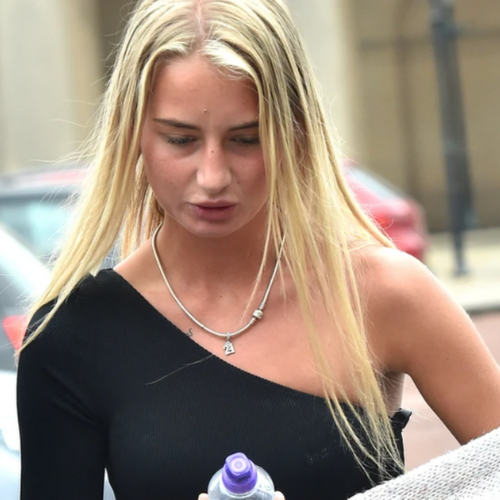 | Georgia Bilham, 21, created an online Snapchat persona in the name of George Parry and embarked on a relationship with a severely short-sighted teenage girl. “George” always wore a hood over his head, even in bed, and claimed to be paranoid because of his involvement with Albanian gangsters. Bilham said she believed her cover was blown after crashing her mother’s car while out for a drive with the teenager on 11th May 2021. Sentencing Bilham, Judge Michael Leeming said: “The complainant never gave her true consent to being kissed by you because it was on the basis that you were male.” |
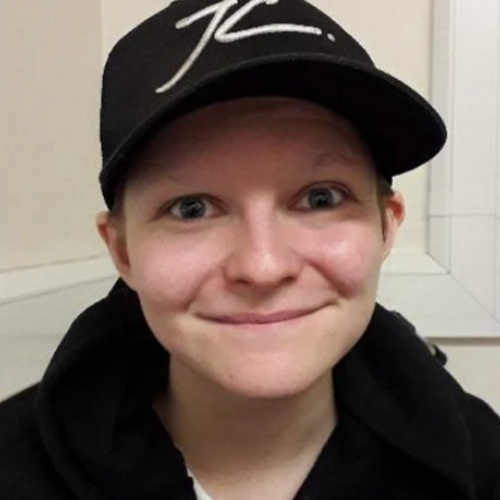 | Gemma Watts posed as 16-year-old Jake Waton on social media and swapped intimate photos with victims before meeting at locations across England.She targeted girls aged 13 to 16. Police believe she may have assaulted as many as 50 victims. She used teenage slang, sent flattering messages and shared intimate photographs before travelling to meet them in person.Police said all of her victims believed they were in a relationship with a teenage boy until officers revealed Watts was actually an adult woman. The court heard two of the victims had since made several suicide attempts because of their experiences.Passing sentence, Judge Susan Evans QC noted that Watts targeted children because their youth “made them more naive and made you more likely to get away with your deception”. |
 | Adele Rennie posed as a man online to trick women into sending her naked pictures.Rennie first pled guilty to pretending to be a man to lure women into romantic relationships in 2017. She was convicted of a similar offence in 2019, and just months after her release from jail signed up to dating sites again, claiming to be a wealthy male lawyer and then a pharmacist.Police Scotland were alerted to concerns that Rennie was re-offending and searched her home. After finding a phone with the email address and pictures linked to the fake dating profile, she was charged by officers.Rennie sent one victim photos of male genitalia and phoned her using a voice-changing application to make herself sound like a man. At the time she worked as a nurse and targeted women through dating sites and social media. The court heard how she lured some women into sending intimate pictures, which she used to threaten them if they cut contact. In 2019, months after she left prison for her first conviction, Rennie was jailed for a similar offence. |
 | Jennifer Staines, 23, used the name Jason on social media to contact three girls, two of them aged between 12 and 17.After one victim’s mother raised concerns, police found Staines had used a rubber penis and condoms during some assaults.Her deception was uncovered when the mother of one of the victims contacted police after suspecting a social-media profile was fake. It was this profile that led her victims to contact her, meet up and begin relationships.Detective Constable Nadine Partridge said: “The manipulation was so extreme that one of her victims still struggles to believe she was actually in a relationship with a woman, not a man.” |
 | Chantelle Johnson, 19, posed as a 13-year-old boy online to groom girls.She admitted meeting three girls following sexual grooming with the intention of engaging in sexual activity. At her trial she pleaded guilty to five counts of causing or inciting a child to engage in sexual activity, two charges of sexually assaulting one of the girls, and one of causing a girl to be involved in pornography. |