This is part of our Sex in the Supreme Court campaign |
Toilets and human rights

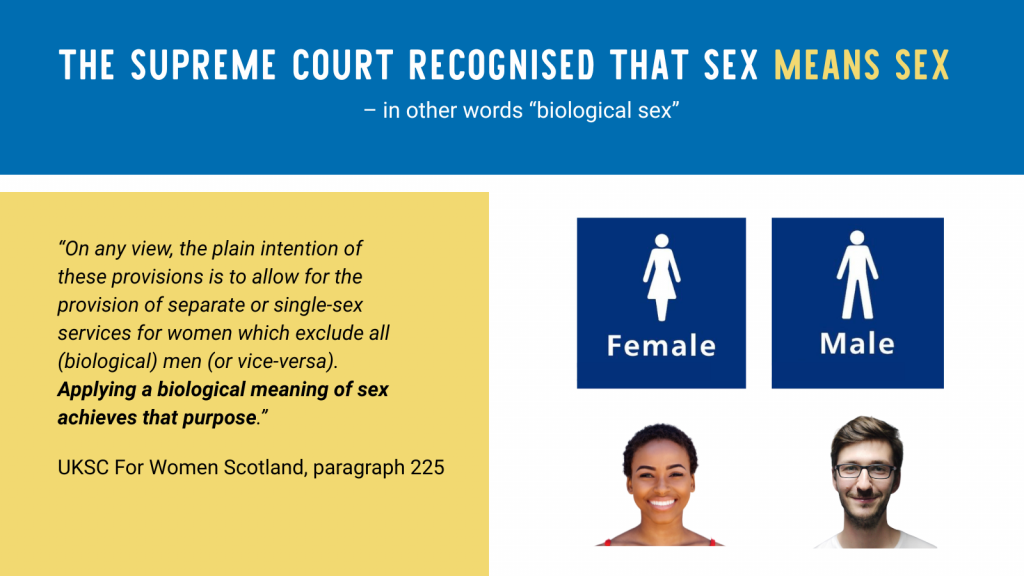
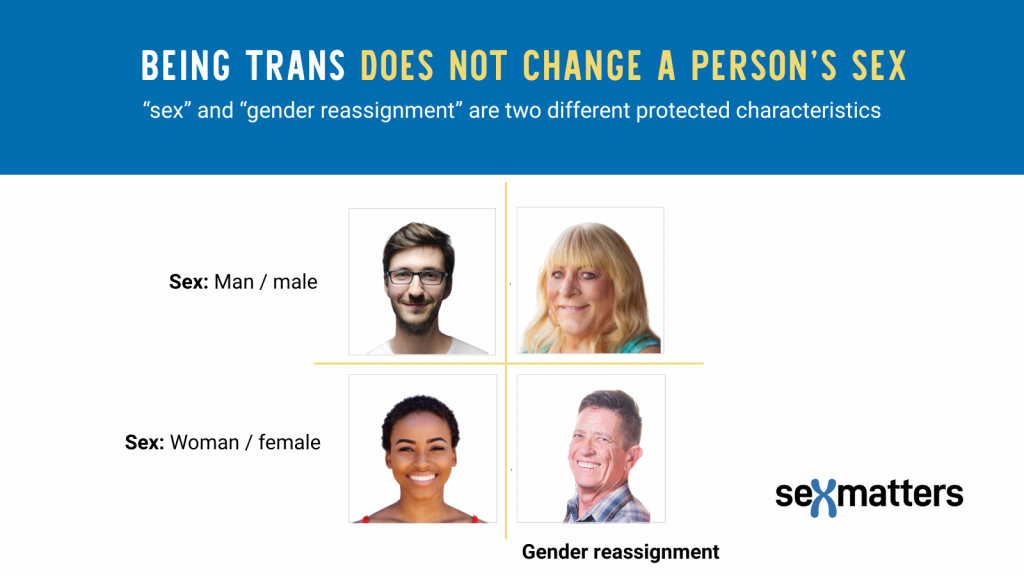
The Equality and Human Rights Commission (EHRC) has made clear an important implication of the Supreme Court ruling: when employers and service providers offer lawful single-sex services (including toilets, changing rooms and showers) they mustn’t permit access to individuals of the opposite sex based on their professed gender identity.
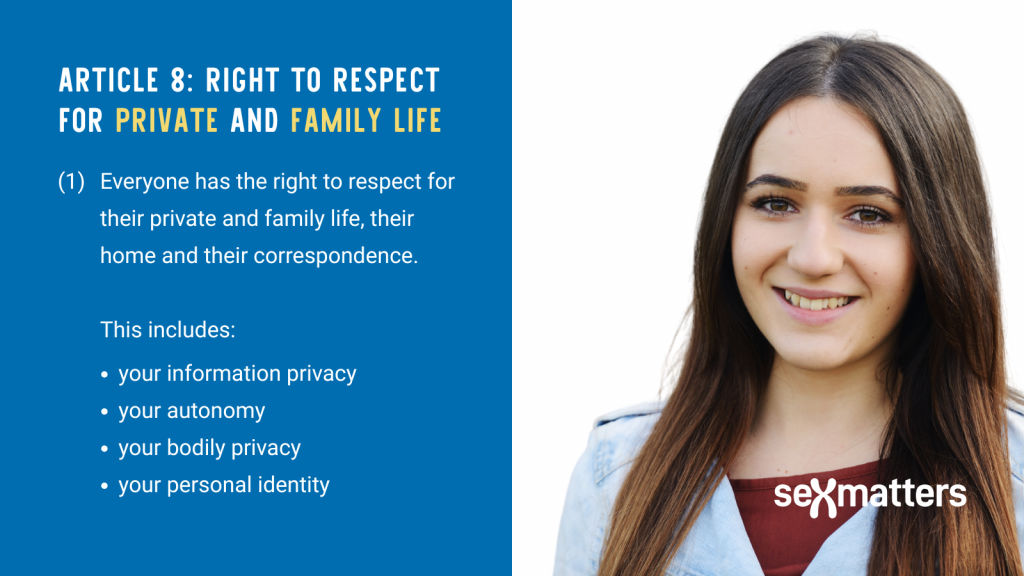
The main pushback against this guidance from the EHRC is that it breaches Article 8 of the European Convention on Human Rights. Trans activist barrister Robin Moira White encourages organisations and individuals to ignore the guidance on this basis.
The Good Law Project has written a letter before claim along the same lines to the EHRC, the Minister for Women and Equalities, the Health and Safety Executive and the Secretary of State for Work and Pensions.
Meanwhile TransLucent, a trans lobby group, has produced carry cards for use by anyone who wants to cite Article 8 to bluster their way past service staff who aren’t experts in European human-rights law.
Women and girls shouldn’t need to know anything about human-rights law to be able to go to the toilet in peace without adult men transgressing their boundaries.
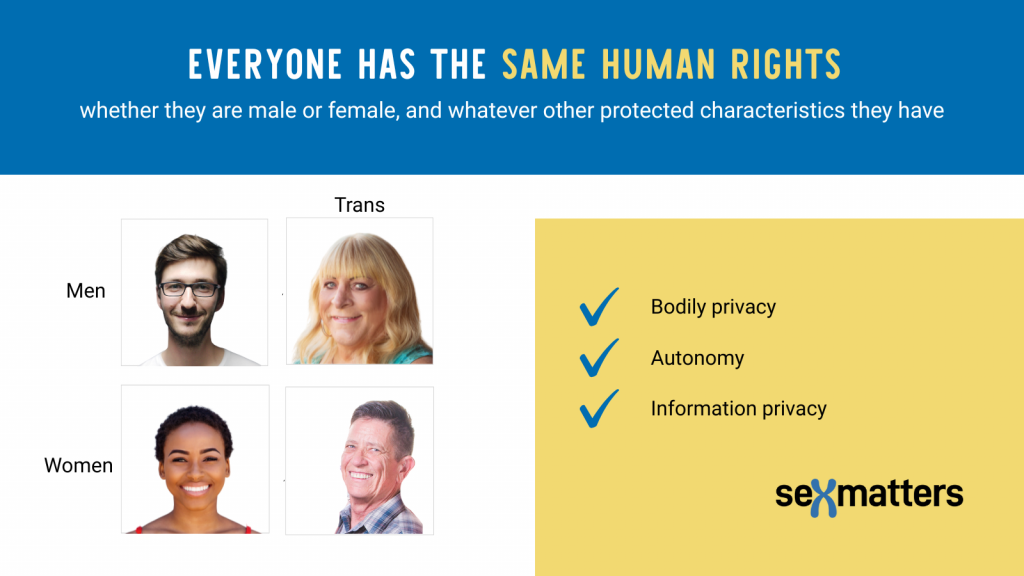
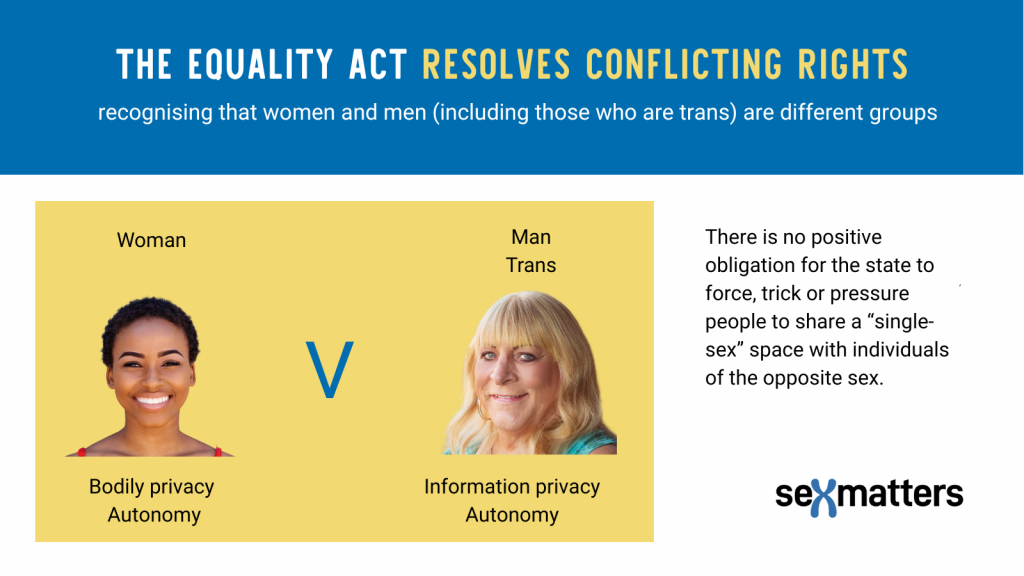
But Article 8 is what gave us the Gender Recognition Act, so it is worth understanding this argument and why it doesn’t stand up. You don’t have to know a lot of case law or legal jargon. The basic reason is simple: other people have rights too.
Privacy rights are wide-ranging, and everyone has them. But they are qualified rights. Governments, employers and businesses infringe on people’s private life and autonomy all the time. For this to be lawful, it has to satisfy the conditions set out in Article 8(2). This means there has to be a reason to do so, and it has to be done in a manner that is lawful and proportionate. Satisfying Article 8(2) requires clear rules that can be explained and enforced.
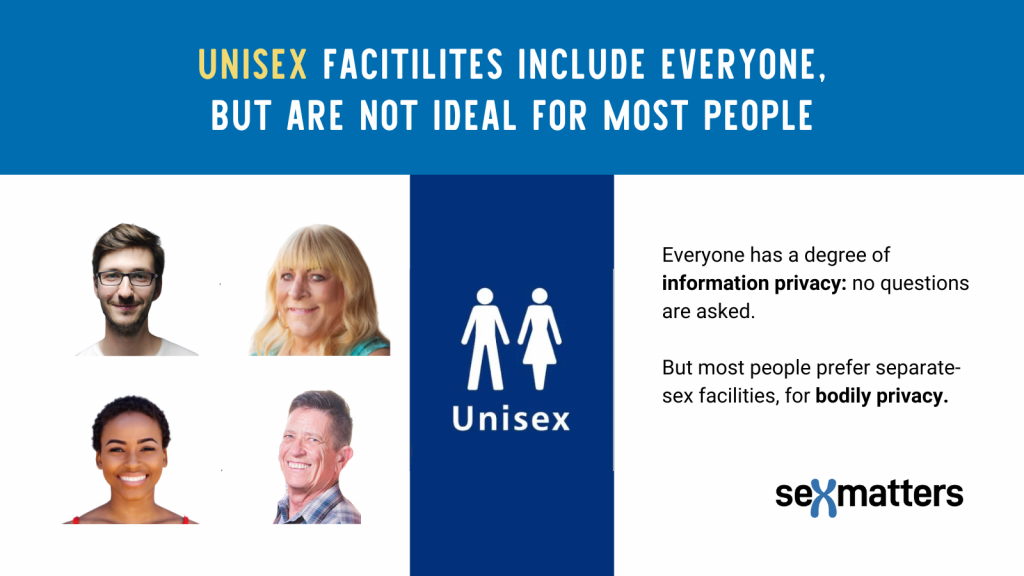
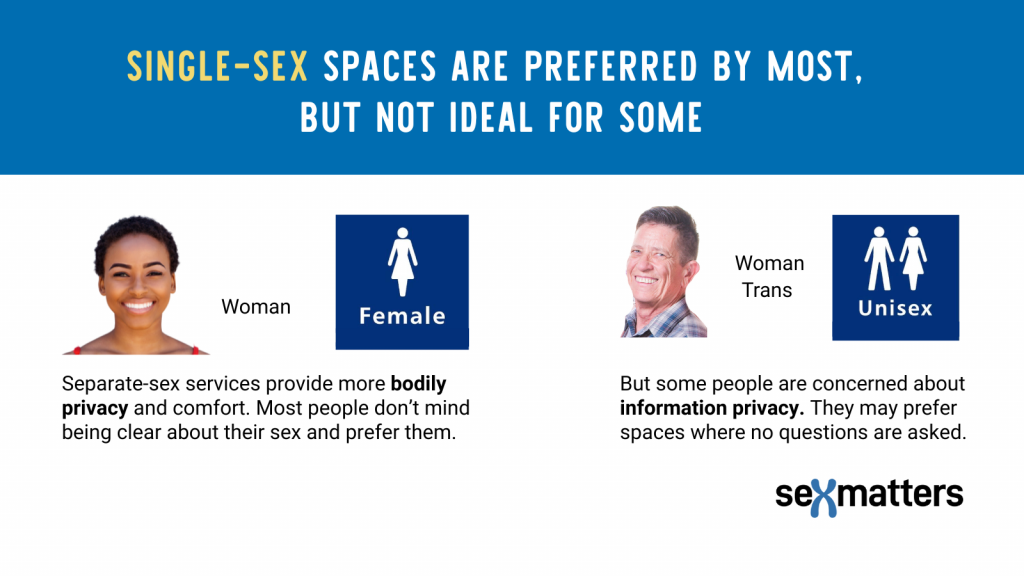
Here we have set out the argument with illustrations.