
Where sex matters | Workplaces
Workplaces
Employers that replace sex with “gender identity” risk undermining fairness at work.
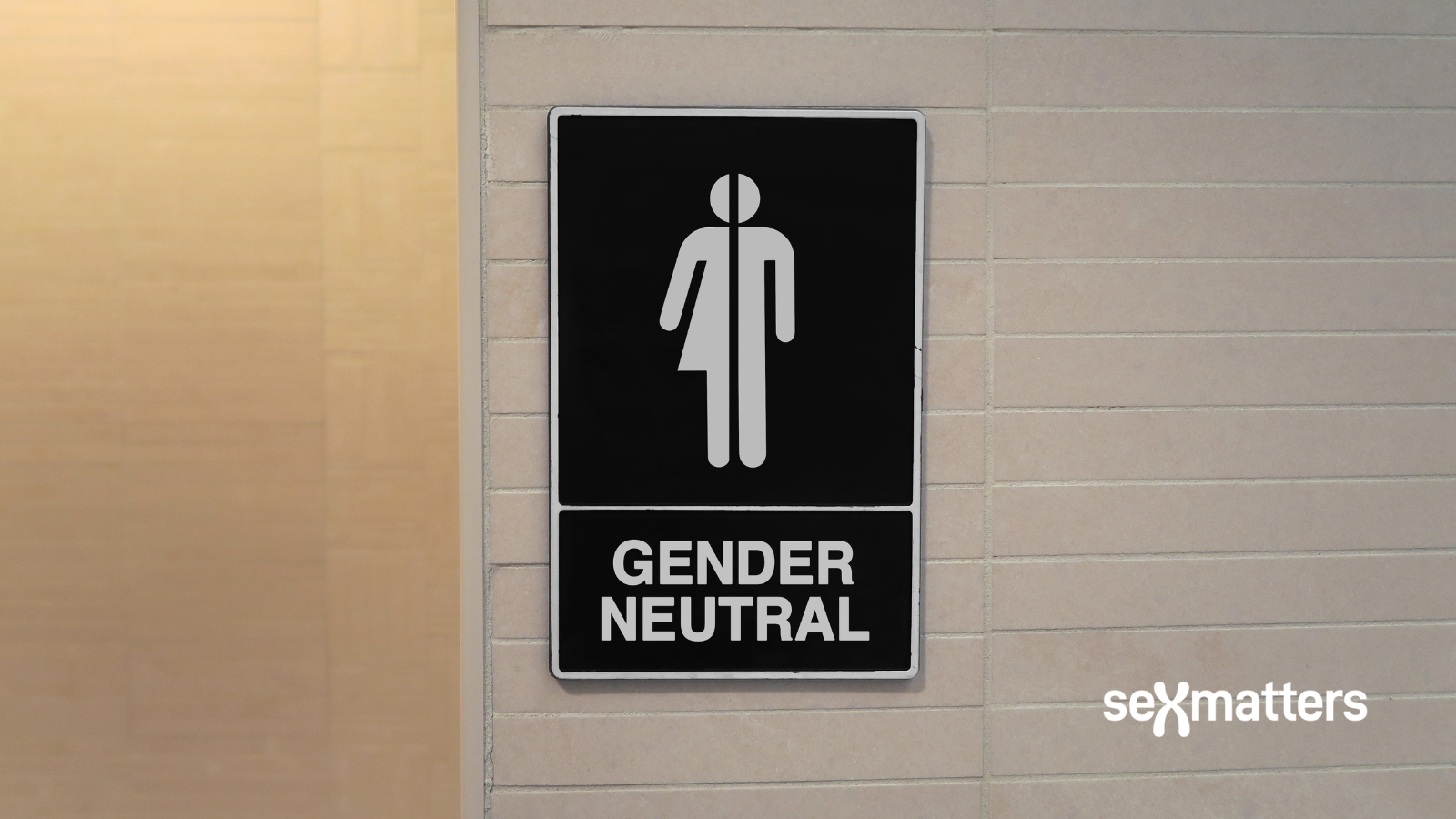
Good employers promote diversity and inclusion, both to attract and retain talent, and to meet their legal obligations. There are nine protected characteristics in the Equality Act 2010 including sex, disability, religion and belief, and gender reassignment.
The law on sex discrimination protects both men and women. Employers must avoid discrimination on grounds of sex, and take action against sexual harassment and sex-based harassment. They must ensure that there is equal pay for equal work between men and women. They can treat men and women differently where it is necessary for privacy and dignity, such as providing separate toilets and changing rooms. Some jobs can be restricted to persons of a particular sex. Employers can take positive action: to address under-representation or disadvantage within the workforce, for example. Larger employers are required to publish and report specific figures about their ’gender pay gap’ (in fact: sex pay gap).
In order to protect against discrimination and harassment at work employers should should undertake reviews of policies, working practices and outcomes to remove unfair discrimination and bias. As part of this they should make sure that staff who identify as transgender are treated well, on a par with others, and with reasonable steps to accommodate particular needs.
What is the problem?
Employers are going much much further than this, adopting trans-specific policies which take an approach of “self-ID” for sex and disregard the needs and beliefs of others. They are adopting the idea of “gender identity” in place of sex and recording this instead of sex in their equality monitoring and employee records:
“Gender identity refers to a person’s internal sense of their own gender and what feels right for them. This might be male, female, non-binary, genderless, or some other gender identity.”
Warwick University
Many large employers are members of Stonewall’s ‘Diversity Champions Programme’ which promotes this approach. As a condition of membership, specialist trans policies and programmes are rolled out, such as encouragement to start meetings with an announcement of pronouns, and replacement of “sex” with “gender identity” in equality monitoring. Staff are discouraged from disagreeing with the mantra that “trans women are women” and risk disciplinary action if they speak up against these changes.
In adopting this approach, employers refuse to acknowledge the different realities of female staff or clients and male staff or clients who identify as women (and vice versa), or the legitimate diversity of views and beliefs about gender identity and sex.
When it comes to providing separate-sex services either to staff, or to clients and customers, sex matters. When monitoring equal pay and the pay gap between men and women, sex matters. Being able to talk clearly about sex is necessary in talking about sexual harassment, and safeguarding. By enforcing the belief that sex is overwritten by gender identity, employers risk discriminating against other staff on the basis of sex, religion or belief and disability.
The case of Forstater v CGDE and others proved that a belief that sex is real, binary, immutable and important is covered by the Equality Act. Other legal cases are also reaching Employment Appeal Tribunals.
Updates
-
Video

Are City employers breaking the law on single-sex toilets?
Our new report exposes widespread non-compliance
-
Update
Sex and the City
Finance is a highly regulated sector where legal compliance is taken very seriously. A widespread impression that sexism and...
-
Update
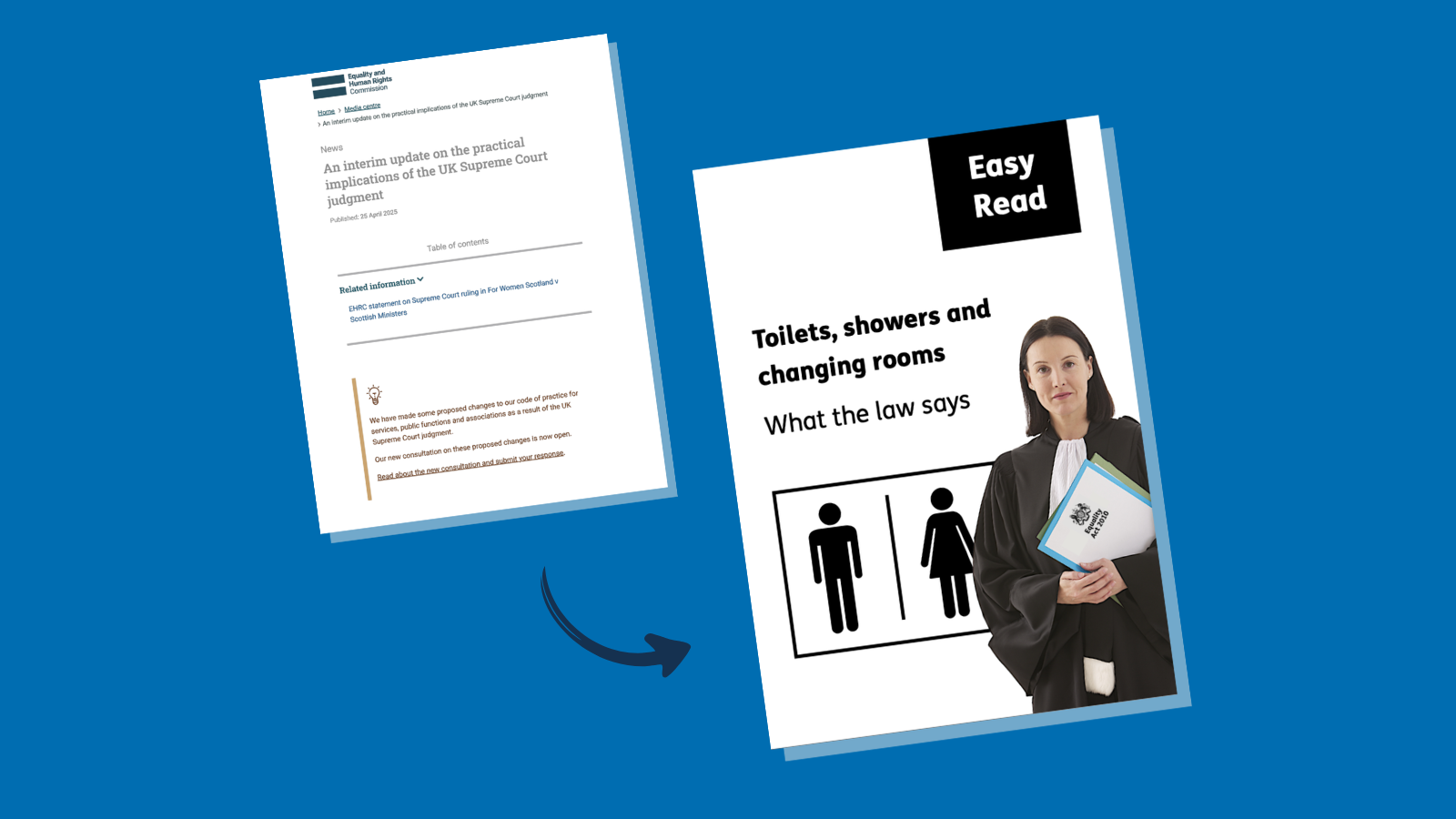
The law is clear – here’s what it says
The government has said that it intends to lay the updated Equality and Human Rights Commission (EHRC) code of...
-
Update
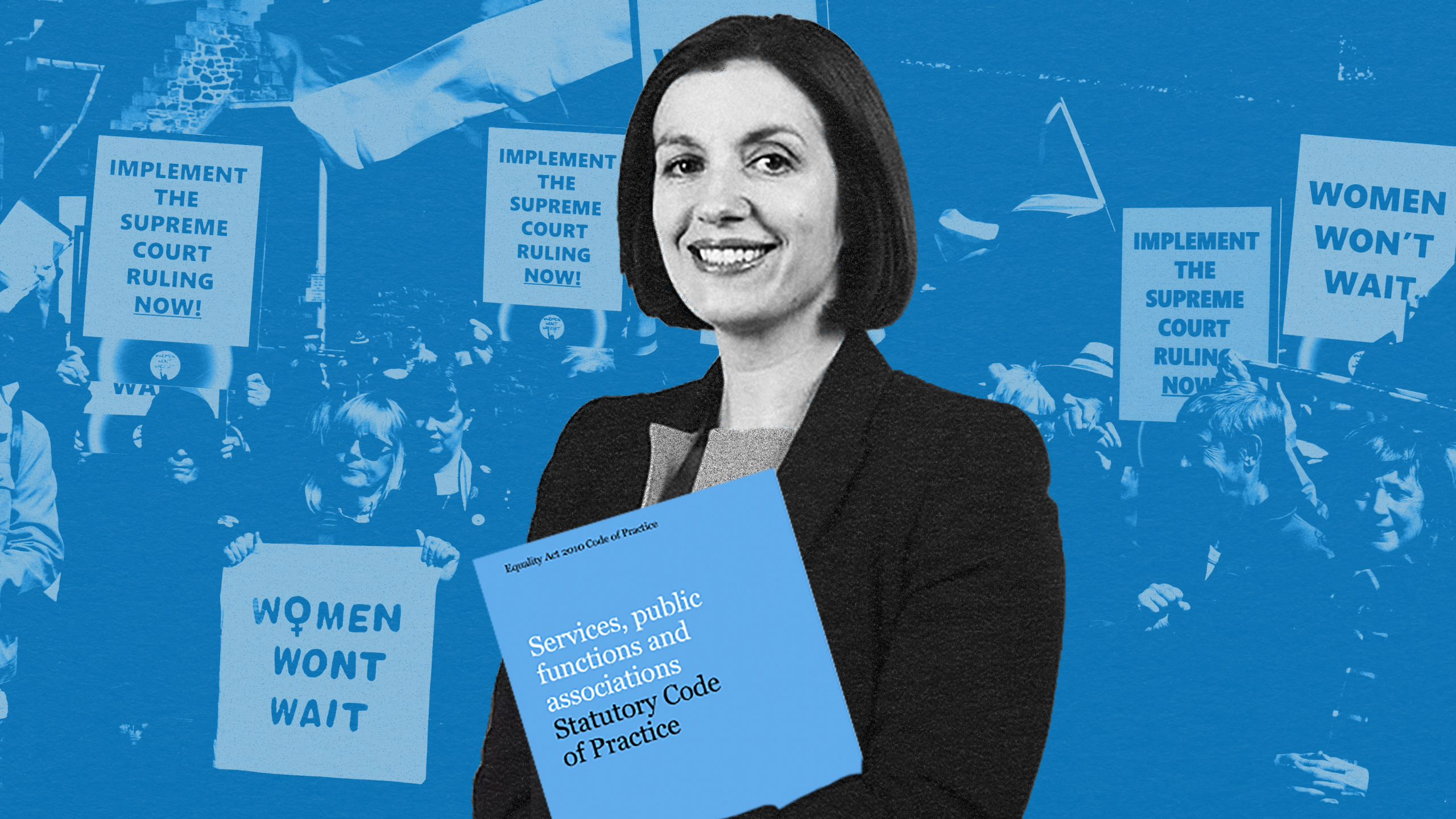
Updated EHRC code to be published in May
The Minister for Women and Equalities, Bridget Phillipson, has made a statement to Parliament saying that she intends to...
-
Update

New poll shows most people prefer single-sex toilets and changing rooms
A new UK-wide poll shows that the vast majority of adults prefer single-sex provision of toilets and changing rooms...
-
Video

A small charity with outsize influence
Sex Matters turns five!
-
Update

Why are employers waiting for the wrong guidance?
Soon after the enactment of the Equality Act, the Equality and Human Rights Commission produced three statutory codes of...
-
Video

Nurses are winning the gender wars
Why the NHS is the frontline in protecting women's rights
Other resources
-

Men in women’s facilities at work – what are your rights?
Naomi Cunningham writes for Legal Feminist on your legal rights and the risks of raising a grievance or taking legal action.
-
Do retailers need to provide single-sex toilets and changing rooms?
Patrick Overall explains the two key issues to consider for retailers whose policies don’t comply with the law after the Supreme Court judgement in April 2025 and who are worried about how to make changes without alienating users.
-

Why the Supreme Court ruling on women-only spaces and services matters for construction employers
Monica Kurnatowska and Rebecca Bull explain the implications for employers of the April 2025 judgment.
-
Publication

Witness statement of Maya Forstater in Sandie Peggie v NHS Fife and Dr Elizabeth Upton
Maya Forstater's statement for this Scottish Employment Tribunal in February 2025.
-

Flying Flags and Ticking Boxes – what went wrong with EDI and how leaders can fix it
By Simon Fanshawe OBE and Matilda Gosling, Diversity by Design
-

Don’t Get Caught Out – a summary of gender critical belief discrimination employment tribunal judgments
by Ruth Birchall and Jo Phoenix
-

Council admits discriminating against social worker over her gender-critical views
Cambridgeshire county council has paid social work manager Lizzy Pitts £54,000 in compensation after admitting discriminating against her for her gender-critical views.
-

Identity politics and the Equality Act 2010
Katy Wedderburn explains what recent gender-critical legal cases mean for employers.
Publications
-
Publication

Good Law Project’s failed legal challenge against the Equality and Human Rights Commission
Court: High Court, King's Bench Division (Administrative Court) Judge: Mr Justice Swift Date: 13th February 2026
-
Publication

Sex-based rights in the City
The financial sector’s failure of compliance.
-
Publication
Toilets, showers and changing rooms: what the law says (Easy Read)
An easy-read version of the Equality and Human Rights Commission’s interim update for employers and service providers.
-
Publication
One year later
The Supreme Court made the law clear. So why are we still waiting for the rights of women and girls to be respected?
-
Publication
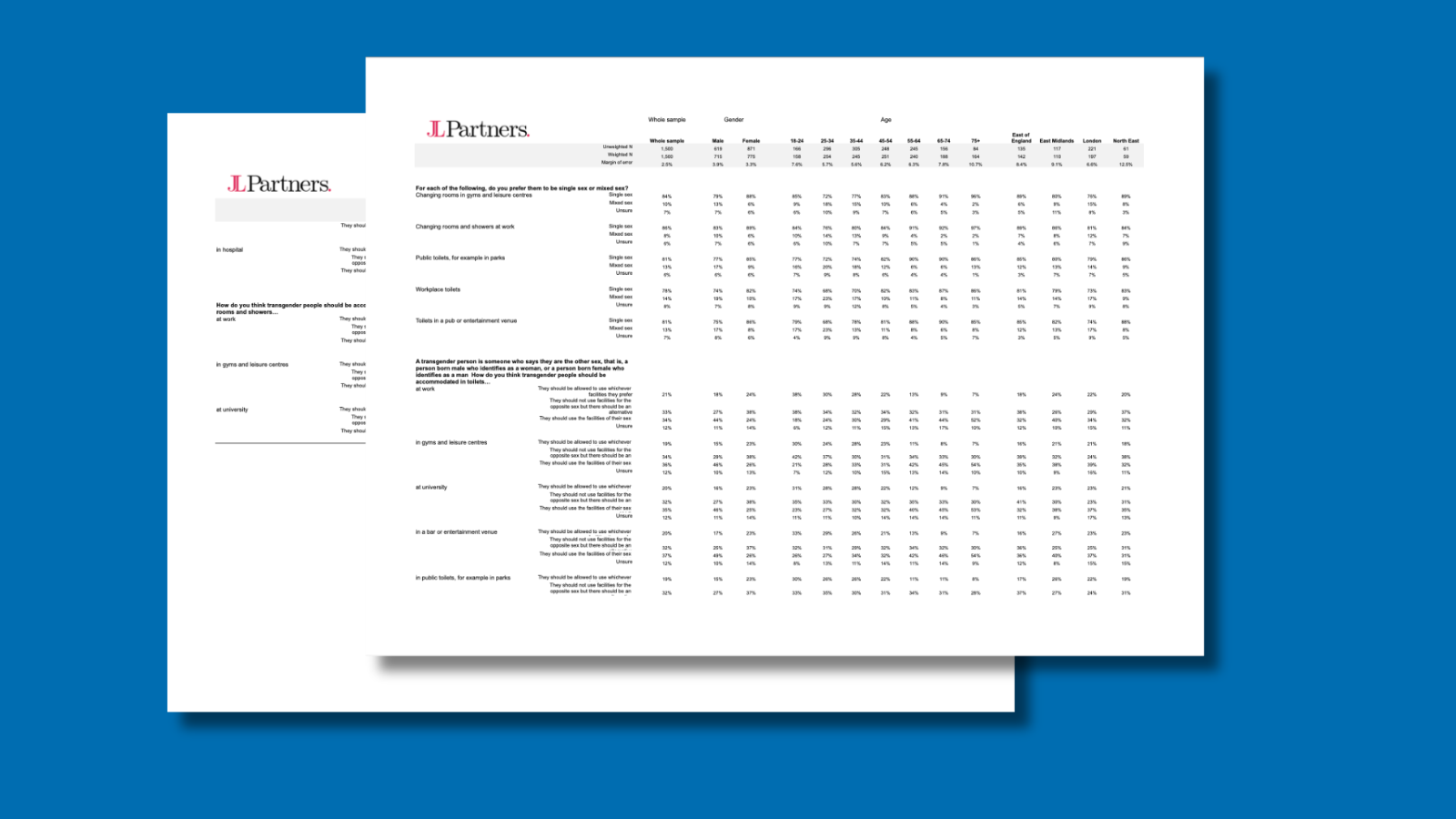
Sex Matters poll results March 2026
JL Partners asked a nationally representative sample of 1,500 UK adults thirteen questions about single-sex toilets and changing rooms, online between 28th February and 1st March 2026.
-
Publication

Template email about positive action based on self-ID instead of sex
This template email is designed to help you tell organisations that programmes and prizes for women and girls must be for women and girls.
-
Publication

Template email to raise concerns about workplace changing rooms
This template email is designed to help you clearly and confidently raise concerns about workplace changing-room policies: the removal of single-sex facilities; the introduction of “gender-neutral” or unisex facilities; or unclear guidance on who is permitted to use which amenities.
-
Publication

Workplace facilities factsheet
Employers that do not communicate and enforce clear policies about separate-sex facilities are likely to be in breach of both workplace health and safety regulations, and the Equality Act. Sex Matters signposts the relevant legislation and explains the effect of the April 2025 Supreme Court judgment.