
Where sex matters | Crime
Crime
Sex is an important factor in the safeguarding of children and vulnerable people, crime prevention and justice.

Sex is the single most important predictor of the risk of criminal behaviour. Men account for 75 percent of all convictions each year, 93 percent of all murder convictions and more than 98 percent of all convictions for sex crimes, according to Ministry of Justice figures.
When men identify as women this does not change their propensity to crime and violence. One study from Sweden found that “transwomen” (natal males) were almost twice as likely as other males to commit violent crimes (though this difference is not statistically significant) and twenty times more likely than females. Another recent study, based on cases collected by Trans Crime UK and Remembering our dead, found that trans-identifying men followed the male rather than female pattern of homicide.
The police, courts, prison and probation services and those involved in the protection of children and vulnerable people often need to be clear about what sex people are both for the purposes of preventing and investigating crime, and for respecting people’s rights and keeping them safe.
For example:
- If you are searched by the police (involving removal of more than a jacket and shoes), this must be done by an officer of the same sex (England and Wales / Scotland).
- If you are a victim of sexual violence or domestic abuse, you have the right to request that the police officer conducting the interview is of the sex of your choice. (England and Wales /
Scotland) - If you are giving legal evidence, you must be allowed to refer to a person in terms of your experience and perception. You cannot be required to use preferred pronouns in court. (This was recently changed in the Equal Treatment Bench Book and Scottish Equal Treatment Bench Book.)
In prisons, men and women should be detained in separate institutions as far as possible, according to both national and international rules. A recent legal opinion produced for the Centre for Crime and Justice Studies following the judgment in For Women Scotland concludes that the only lawful basis on which prisons can be operated is through complete segregation of the sexes, based on biological sex. That is because separate-sex prisons are necessary to meet the rights and needs of female prisoners.
What’s the problem?
Organisations within the criminal justice system have adopted policies of treating suspects, victims, defendants in criminal trials, and convicted offenders on the basis of their “gender identity” rather than their biological sex. A 2022 report by Policy Exchange found that:
“Self-declaration of ‘gender identity’ has been adopted as policy by all of the key criminal justice institutions, despite the fact that this is not aligned with the law.”
In England and Wales the policy since 2023 has been that men who identify as women who are sentenced to custody in the future “will not be held in the general women’s estate if they retain male genitalia or have been convicted of a violent or sexual offence – unless in the most exceptional cases.”
However, biologically male prisoners who identify as transgender women remain housed in HMP Downview, a women’s prison in Surrey, in E wing, a segregated unit said to be “not part of the general women’s estate” although they are allowed to associate with women.
Similarly, transgender males who do not have sexual or violent convictions can be referred to “approved premises” (community-based residential facilities for those who have offended) for women if they have surgery and a GRC, and sometimes without. There are 104 of these premises in England and Wales: most are for men only, with eight being women only. Male offenders may be referred to non-residential women’s centres based on even wider criteria.
In Scotland, until June 2026, male prisoners who identified as transgender could be placed in female prisons unless they had been convicted or were on remand for a crime of violence, or a sexual crime against a female victim. Then For Women Scotland won a judicial review of that policy against the Scottish Government; all trans-identifying men were immediately moved to men’s jails.
Allowing men to be recorded as women, and in some cases held in women’s prisons and probation hostels, as well as charities and services for women in the criminal justice system, undermines women’s safety, dignity and privacy.
Allowing men to identify as women online, and in spaces where women are vulnerable, exposes women to risk. Voyeurism (peeking) and exposure (flashing) are crimes that are commonly committed by men against women and girls.
Questions about sexual consent relate to a person’s sex. If a person lies or misleads another about what sex they are, and they engage in a sexual act on the basis of this deceit, they may be found guilty of a crime (see Where sex matters: Relationships).
Allowing male criminals to be recorded as their claimed “gender identity” rather than their sex can have a significant effect on crime statistics. The bias starts with crime reporting: describing trans-identifying men as women in news reports by the BBC and other news media is one example of this.
Updates
-
Video
Abusive strip-searching rules: our legal challenge
Why we’ve taken police chiefs to court, with guest Cathy Larkman.
-
Update
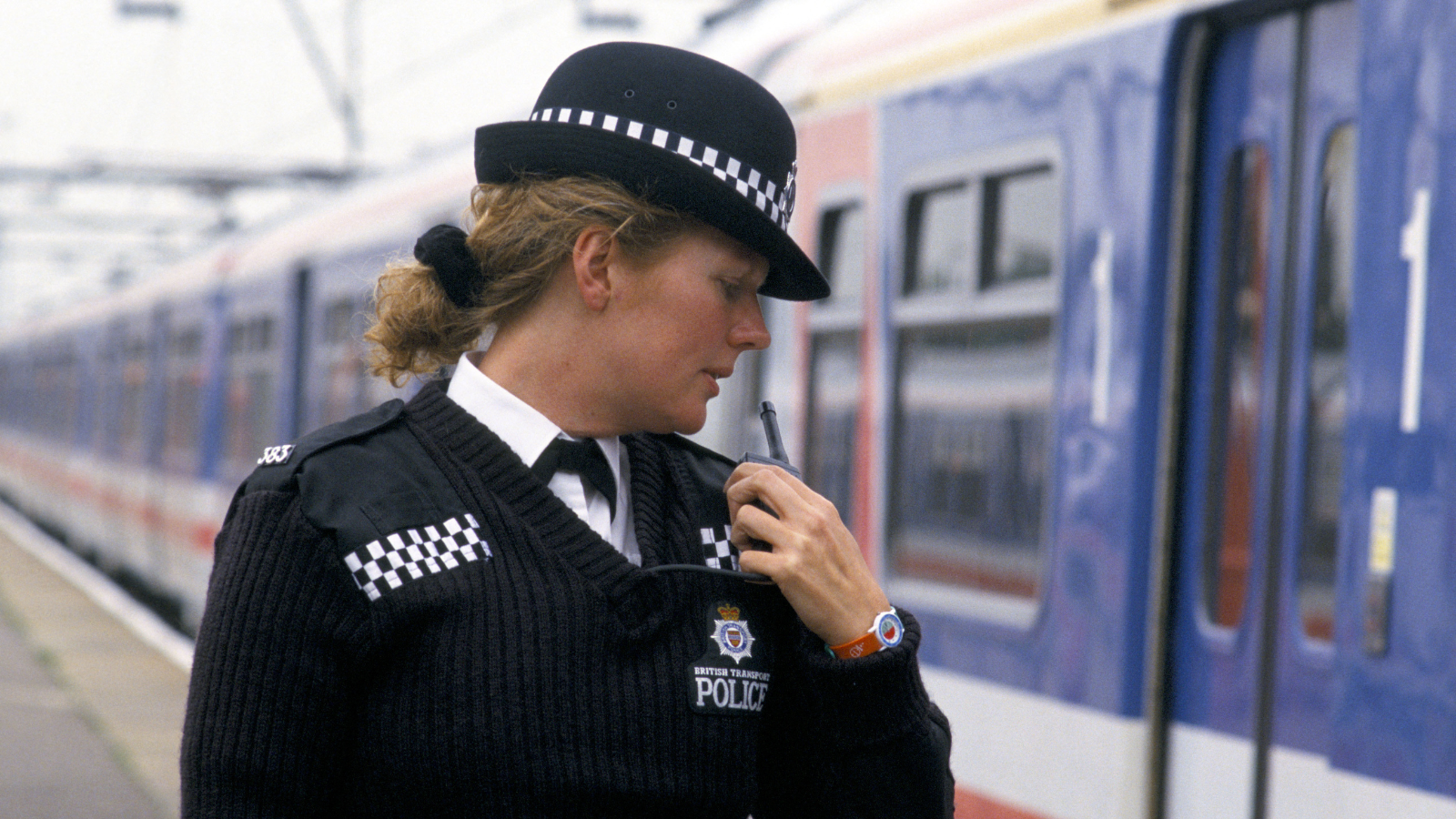
Police strip-searching: Sex Matters’ judicial review
On Tuesday 16th June Sex Matters will be in the High Court for a judicial-review hearing. Our claim is...
-
Update

Housing men in women’s prisons is cruel and unlawful
In 2021, in the case of FDJ v Secretary of State for Justice, a female prisoner challenged the Ministry...
-
Video

For Women Scotland returns to court
Judicial review of Scottish Prison Service policy
-
Update

Digital identities risk enabling “catfishing” crimes
The Children’s Commissioner’s Office has agreed to meet with Sex Matters after we raised concerns that the government’s plans...
-
Update

What does the For Women Scotland judgment mean in practice?
The judgment handed down yesterday by the Supreme Court returns the Equality Act to clarity. Many organisations have fallen...
-
Update
Why do people think “transgender rights” have gone too far?
It’s not just about self-ID Support for the law that allows people to change the sex recorded on their...
-
Update
Sex and the police: confusion over the law and state-sanctioned sexual assault
Update on the review into activism and impartiality in policing HM Chief Inspector of Constabulary Fire & Rescue Services...
Other resources
-

Legal opinion on prison policy in relation to trans-identifying male prisoners in light of the Supreme Court’s judgment in For Women Scotland
Ben Cooper KC and Myles Grandison explain how the April 2025 Supreme Court judgment has implications for criminal justice organisations, including in relation to the current policy of housing some trans-identifying male prisoners in the women’s prison estate.
-

Transgender Homicides in Britain, 2000–2025: Victims and Perpetrators
Michael Biggs and Ace North analyse all homicides involving transgender people in Britain from 2000 to 2025 and find that victims were outnumbered by perpetrators, even excluding those who declared a transgender identity after imprisonment. Published by the Social Science Research Network.
-

Gender diverse prisoners and sex-based patterns of offending
Jo Phoenix looks at evidence from a Correctional Services Canada study on the transgender and gender-diverse prisoner population in the federal prison system, amid widespread concerns about self-identification policies in prisons, for the Canadian Macdonald-Laurier Institute.
-

Accommodation of transgender prisoners and Article 3 ECHR
Claire Methven O’Brien writes for Scottish Legal News on how attention has recently focused on policy and practice concerning accommodation of transgender prisoners in Scotland. However, the role of Article 3 of the European Convention on Human Rights (ECHR) has been little discussed in this context. Accordingly, this...
-
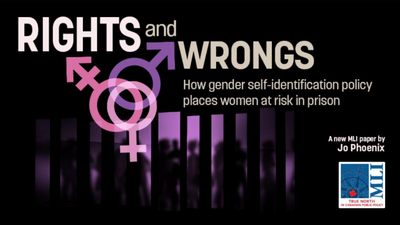
Rights and wrongs: how gender self-identification policy places women at risk in prison
Jo Phoenix, Professor of Criminology at the University of Reading, describes how the decision to include anatomical males who identify as women in a population of female prisoners creates a new layer of vulnerability for an already vulnerable group.
-

Fair Play For Women
Campaigning and consultancy group which raises awareness, provides evidence and analysis, and supports policy-makers to protect the rights of women and girls in the UK. Opposes sex self-ID, and also played a large part in the government’s decision to abandon plans to introduce it in England and Wales in...
-

Trans law is a ‘magic key’ for predators
Mark McLaughlin for The Times
Sex Matters Chair Naomi Cunningham is the legal expert quoted.
A legal expert has warned Scotland’s controversial gender laws will provide men “who cross-dress for erotic purposes” with a “magic certificate” to access women’s spaces. -

Female inmates do not trust Nicola Sturgeon to decide who is sent to female prisons
Ex-Cornton Vale Prison inmate Amanda Benson talks to Times Radio.
“Putting a double rapist into a female prison, I don't know what risk assessments they're doing to have these men in the prison.”
Publications
-
Publication
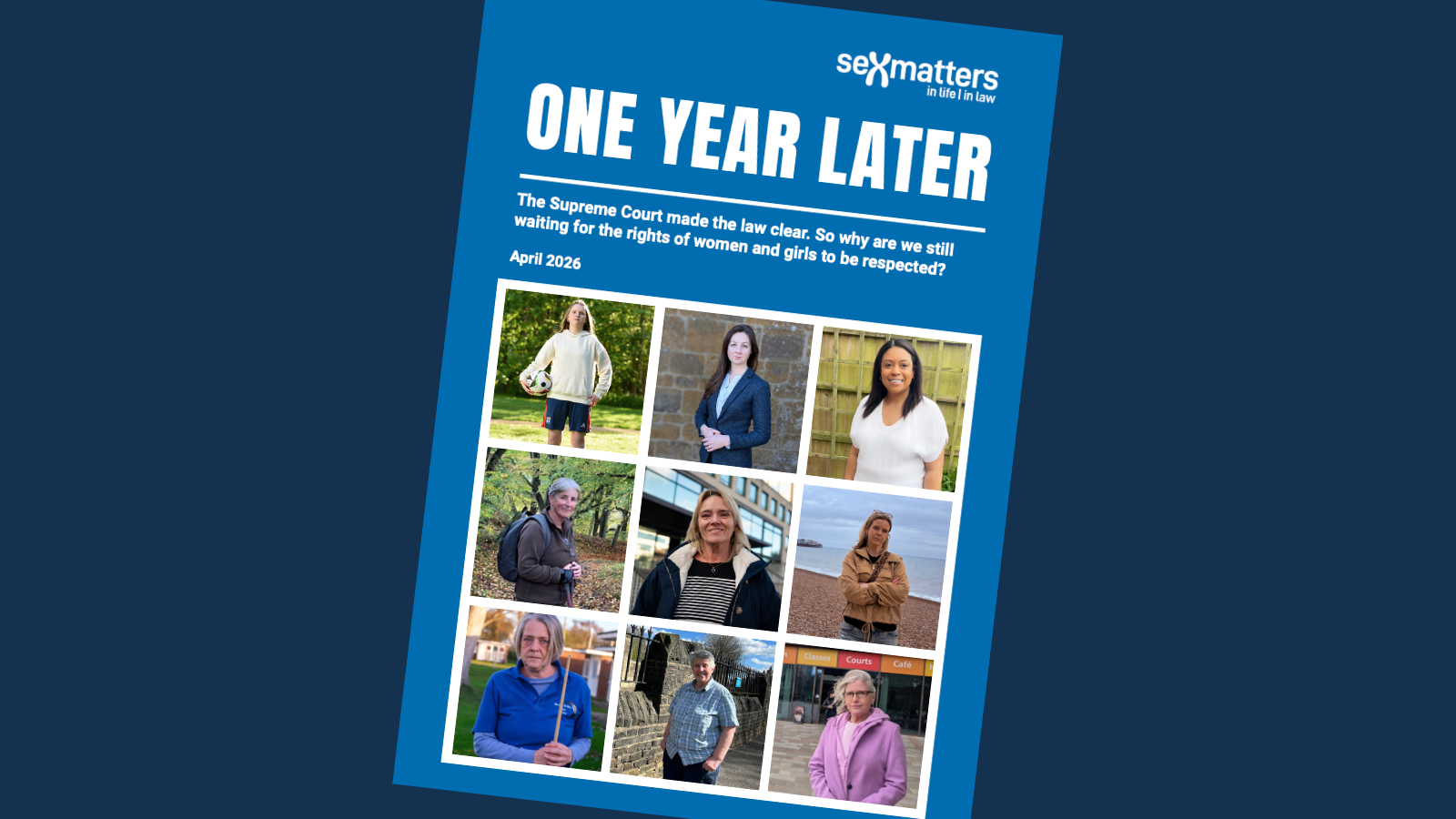
One year later
The Supreme Court made the law clear. So why are we still waiting for the rights of women and girls to be respected?
-
Publication

Crime and Policing Bill: combatting exposure and the importance of single-sex spaces – briefing for peers
Large-print version of this briefing.
-
Publication
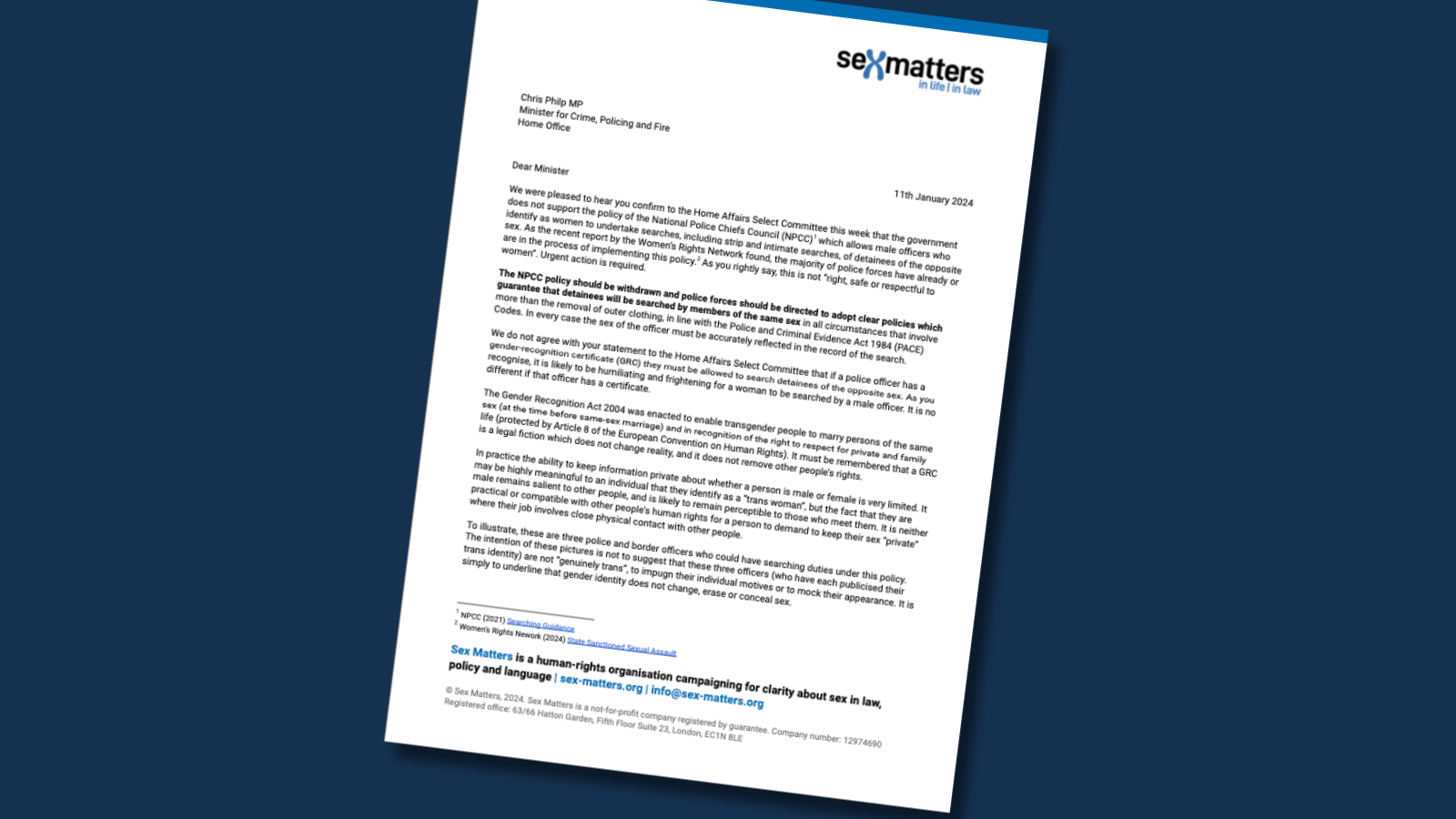
Letter to the Minister for Crime, Policing and Fire
We wrote to Chris Philp MP about the new policy of the National Police Chiefs’ Council that allows male officers who identify as women to undertake searches, including strip and intimate searches, of detainees of the opposite sex.
-
Publication
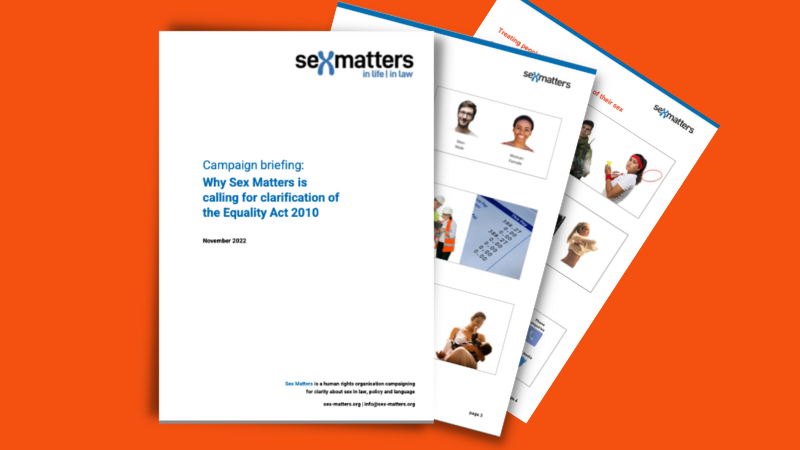
Why Sex Matters is calling for clarification of the Equality Act 2010 – a briefing
Sex Matters has launched a petition calling on the government to clarify that in the Equality Act 2010, “sex” means biological sex, and is not modified by the Gender Recognition Act 2004. This would protect the rights of people of both sexes, as well as people who identify as transgender....
-
Publication
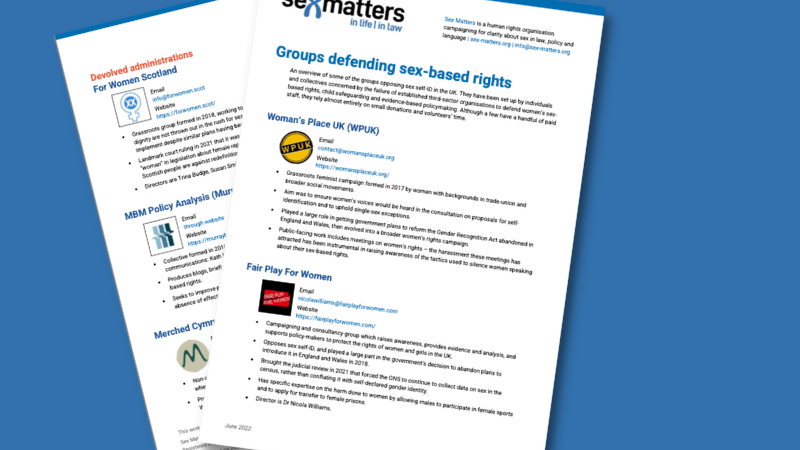
Groups defending sex-based rights
Overview of groups opposing sex self-ID in the UK, set up by individuals and collectives concerned by the failure of established third-sector organisations to defend women’s sex-based rights, child safeguarding and evidence-based policymaking. Also listed on our website.
-
Publication
Submission of evidence to WESC on Gender Recognition Act reform
We answer the Women and Equalities Select Committee's questions and make six recommendations.