
Where sex matters | Legal systems
Legal systems
The argument for “No Debate” does not work in court: judges should listen to evidence and reasoned argument.

Sex matters in our laws, and evolving case law has sought to clarify questions about sex and gender identity in practice. Much of the case law to date has been driven by claims brought by those seeking to replace sex with gender, but recently there has been a growth in cases using the law to clarify where sex matters.
The law can help us answer questions about interactions and conflicts between trans rights and women’s rights, and about the right to discuss these subjects without fear of bullying, criminal prosecution or loss of livelihood. Where the laws are not working, it is sensible to seek to reform them. But this depends on both lawmakers and also judges making decisions on the basis of the law as it is, not as campaigners or pressure groups would like it to be.
What is the problem?
‘Stonewall law’
Stonewall and other organisations campaigning on related issues (GIRES, the Trans Equality Legal Initiative (TELI), Gendered Intelligence, Mermaids, to name a few) have for many years now been doing two things in parallel:
- Campaigning to change the law, so that the rights of trans people are extended at the expense of others, chiefly women.
- Lobbying that asserts – through ‘guidance’ documents, training and so on – that the law is in various respects already as they would like it to be.
Due to this it is now widely believed that trans people have an automatic right of access under the Equality Act 2010 to single-sex spaces and services hitherto provided for the use of the opposite sex. Not only is this widely believed among non-specialists: the myth has been repeated in official guidance from supposedly neutral bodies like Acas and the Equality and Human Rights Commission.
Training judges
Judges are subject to the same social pressures as the rest of us: career ambition, pressure to conform, and the desire to appear up-to-the-minute and “on the right side of history”.
And judges receive training.
Make a dubious, poorly evidenced or illogical claim as an advocate in court, and you can expect the judge to prod it, test it with pointed questions, hold it up to the light, and throw it out if it doesn’t stand up. But make the same dubious claim in the course of “training” for judges, or in an official document provided for their guidance, and there’s a real danger that it will bypass their critical faculties, and pass directly into the category of stuff they think they know.
Worse, judicial training seems to be secret. Freedom of Information requests for the content of whatever “trans awareness” training judges have received have so far been blocked.
We do know, though, from a document published on judiciary.gov.uk, that in 2018 employment judges were receiving training from an organisation called Gendered Intelligence. Gendered Intelligence is a charity that promotes a highly contentious set of beliefs about gender and gender identity, and is actively campaigning for gender self-identification to replace sex.
Where do judges come from?
The overwhelming majority of judges are former barristers or solicitors; a few are former academic lawyers, though all of course have been educated at universities, disproportionately Oxford and Cambridge. Stonewall lists 89 universities (including both Oxford and Cambridge) among its “Diversity Champions”, as well as 80 of the larger law firms. That means that many of the environments in which future judges are being educated and gaining their early-career experiences are now steeped in Stonewall law.
The Equal Treatment Bench Book
This is a guidance document provided to judges by the Judicial College, which judges are encouraged to take into account wherever it is applicable. Its stated aim is to help judges ensure that they achieve “equality before the law”.
Its chapter on “transgender people” departs from the Equality Act, defines transgender people as “people who cross the conventional boundaries of gender”, and then gives an inaccurate paraphrase of the meaning of “transsexual” in the Equality Act.
It then states that “It is important to respect a person’s gender identity by using appropriate terms of address, names and pronouns” and “Everyone is entitled to respect for their gender identity…”
It is not quite clear whether the authors of the ETBB are telling judges that these are legal entitlements (they are not), or just that it would be nice if they acted as if they were. Either way, they are contentious claims. It is far from self-evident that a male rapist or paedophile is entitled to respect for his gender identity if, at some point after committing his offences, he announces that he now identifies as female. But such expectations have become prevalent in the legal system to the extent that the victim of an assault has been reprimanded (and refused compensation) by a judge for referring to her assailant – an obvious male – with the male pronoun “he”.
Updates
-
Update
The CPS: keeping sex secret
Sex Matters is bringing a judicial review against the Crown Prosecution Service (CPS) for its unlawful guidance on sex...
-
Update

We’re taking the CPS to court over sex by deception
This week, the High Court will hear Sex Matters’ challenge to the Crown Prosecution Service (CPS) guidance on deception...
-
Video

Conversion Practices Bill targets parents
Draft bill threatens families, free speech and religious rights.
-
Video
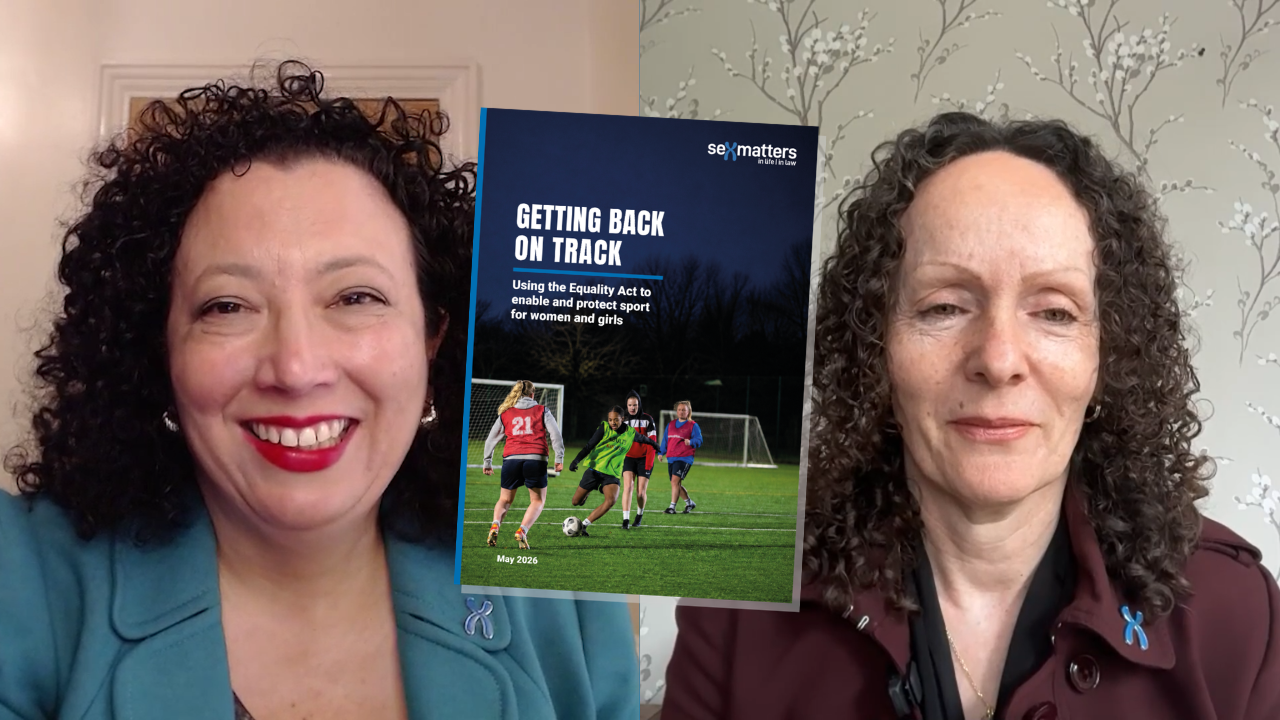
Getting back on track: a new report
How UK law provides for separate sport for women and girls.
-
Update

Sex matters in sport
Sport and physical recreation are one of the most obvious places where women and girls need dedicated provision and...
-
Update

Sex is not “special category” data
The new Code of practice for services, public functions and associations from the Equality and Human Rights Commission (EHRC),...
-
Video
The state of free speech on campus
OfS judgment’s Equality Act-shaped hole.
-
Video
One year later – part 2
Reflections on the FWS anniversary
Other resources
-

Cracking the Code
Naomi Cunningham explains why, if government ministers have demanded a regulatory impact assessment of the Equality and Human Rights Commissions’s draft code of practice for service providers, this is extraordinary.
-

Beneath the Surface: How gender identity is reshaping Europe
A report that maps how contested activist demands have been written into European law and policy through soft-law mechanisms, lobbying and institutional capture.
-
Revised guidance for Transgender Inclusion in Domestic Sport – introduction to legal considerations
Guidance by Harper Macleod LLP for the UK Home Nations Sports Councils on the considerations underpinning its Guidance for Transgender Inclusion in Domestic Sport published in September 2021 – revised in June 2025 after the Supreme Court judgment.
-
Equal Treatment Bench Book – May 2025 update
A revision of the July 2024 edition.
-
Analysis of changes to the Equal Treatment Bench Book
Taken from a Twitter thread by Legal Feminist.
-

Changing rooms?
Fiona McAnena and Anya Palmer for the New Law Journal assert that the Supreme Court ruling in For Women Scotland, on the application of the Equality Act 2010, is a “model of clarity”. They share their consideration of the landmark judgment, and what it means for sports clubs, employers and...
-
Publication

YouGov / Sex Matters survey results, May 2025
Results of fieldwork on 8th–9th May 2025.
-
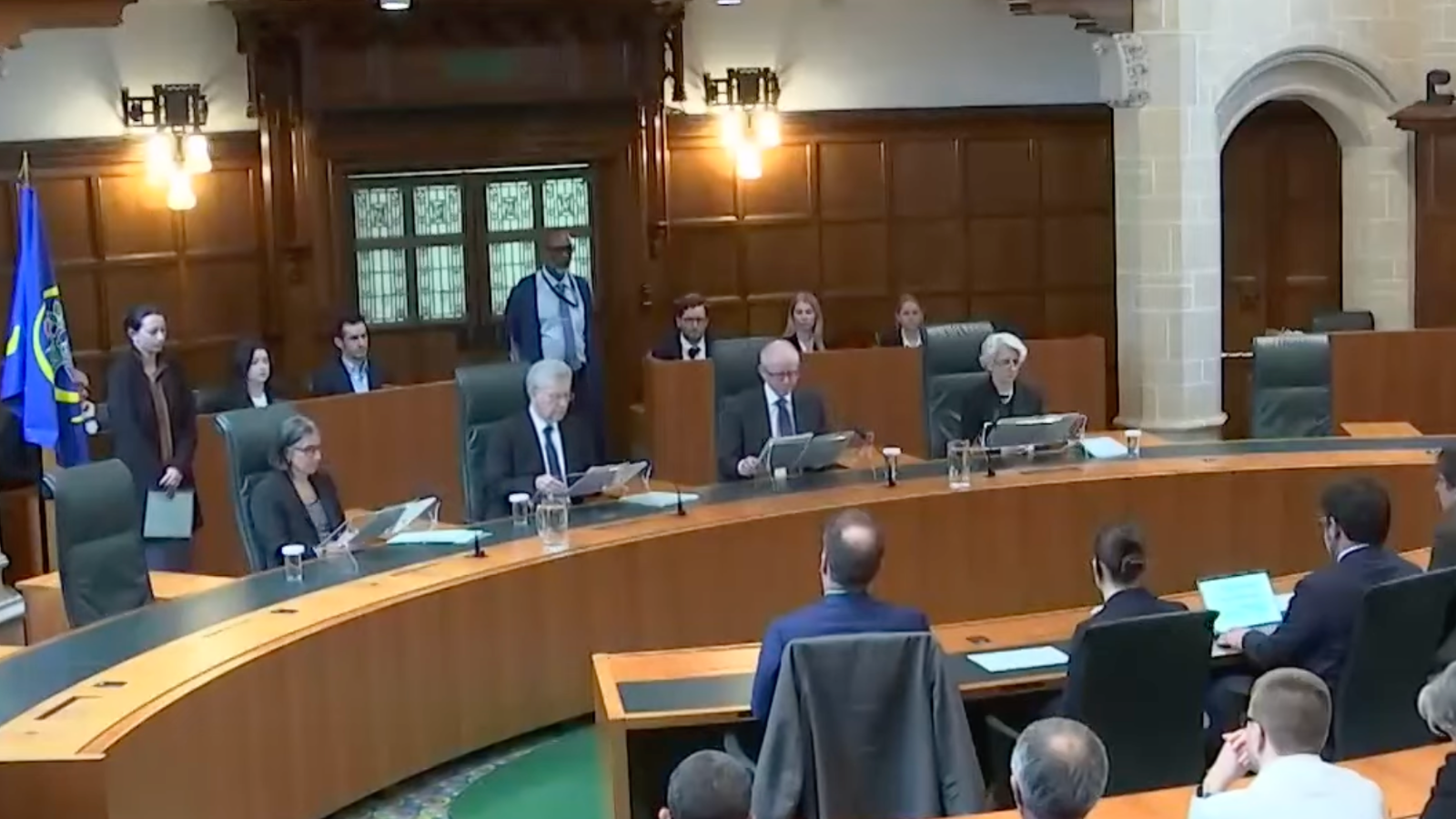
For Women Scotland Ltd v The Scottish Ministers
before Lord Reed, President Lord Hodge, Deputy President Lord Lloyd-Jones Lady Rose Lady Simler
Publications
-
Publication
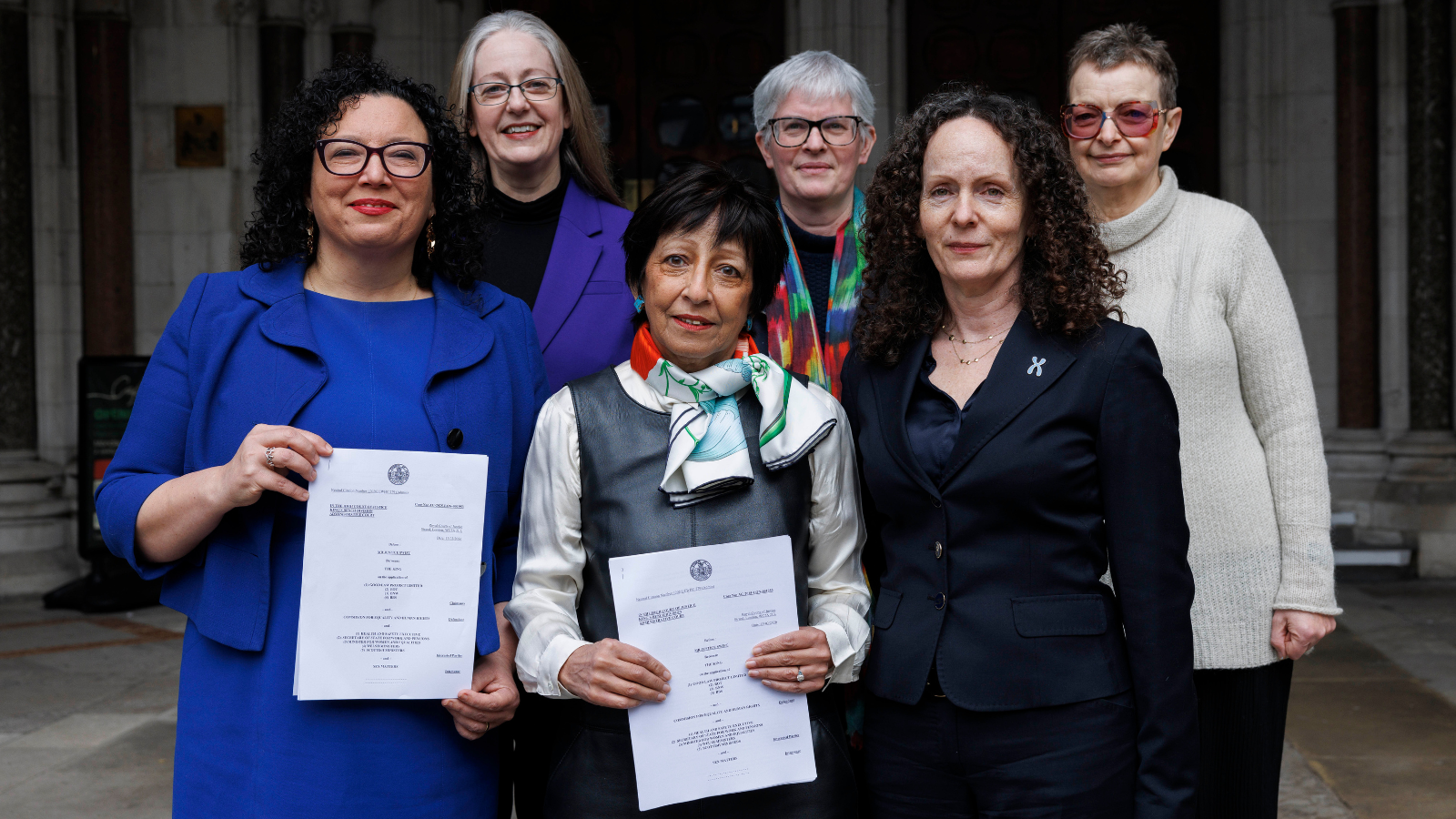
Good Law Project’s failed legal challenge against the Equality and Human Rights Commission
Court: High Court, King's Bench Division (Administrative Court) Judge: Mr Justice Swift Date: 13th February 2026
-
Publication
Sex and the law
UPDATED after the Supreme Court judgment on 16th April 2025
-
Publication
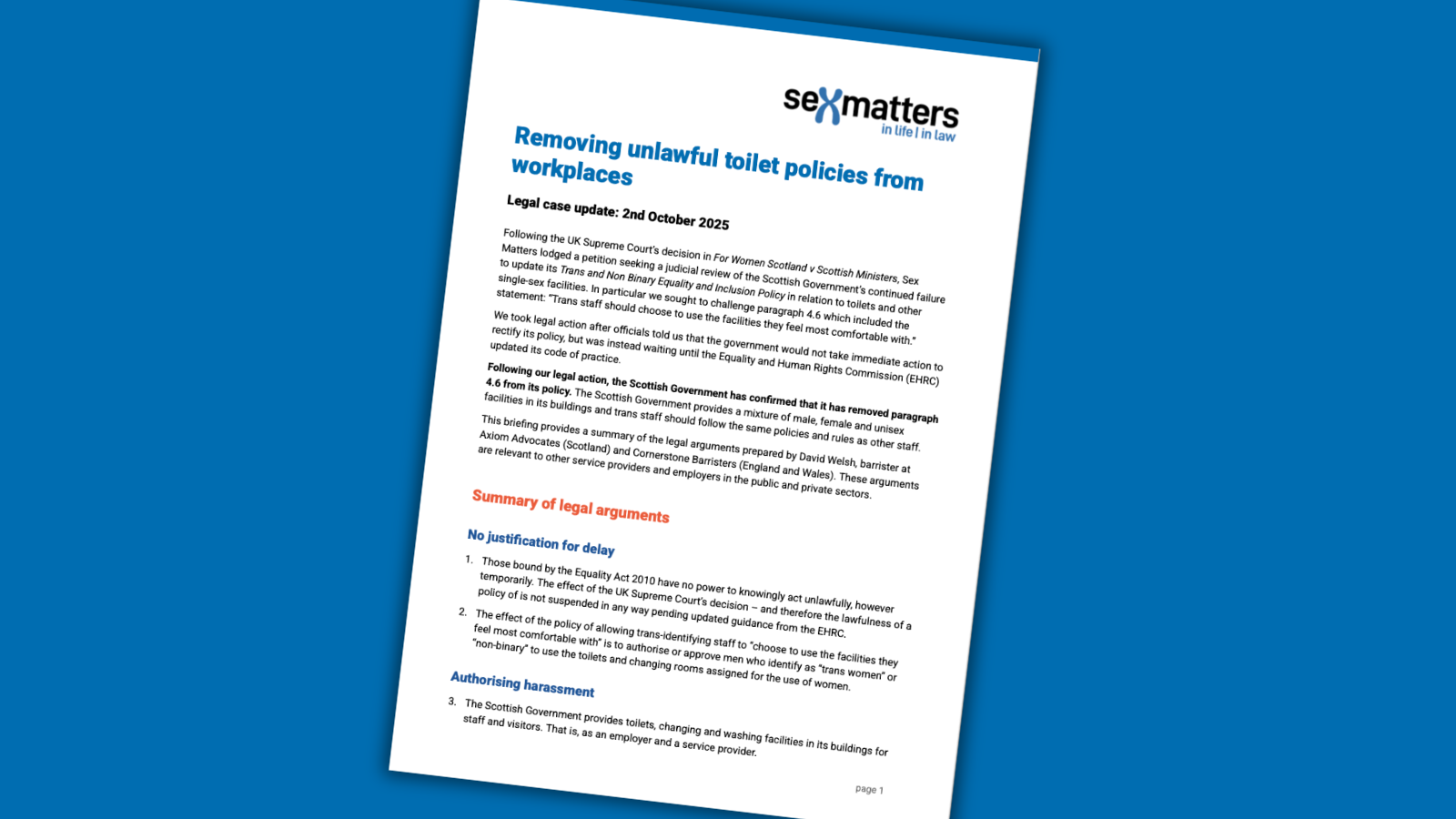
Removing unlawful toilet policies from workplaces – briefing
A summary of the legal arguments, relevant to other service providers and employers in the public and private sectors.
-
Publication

Letter to the Joint Committee on Human Rights and the Women and Equalities Committee
We wrote to express our dismay at the questioning of Dr Mary-Ann Stephenson during her appointment hearing for the position of chair of the Equality and Human Rights Commission, and the decision not to endorse her appointment, but to invite the Minister for Women and Equalities to re-open the...
-
Publication
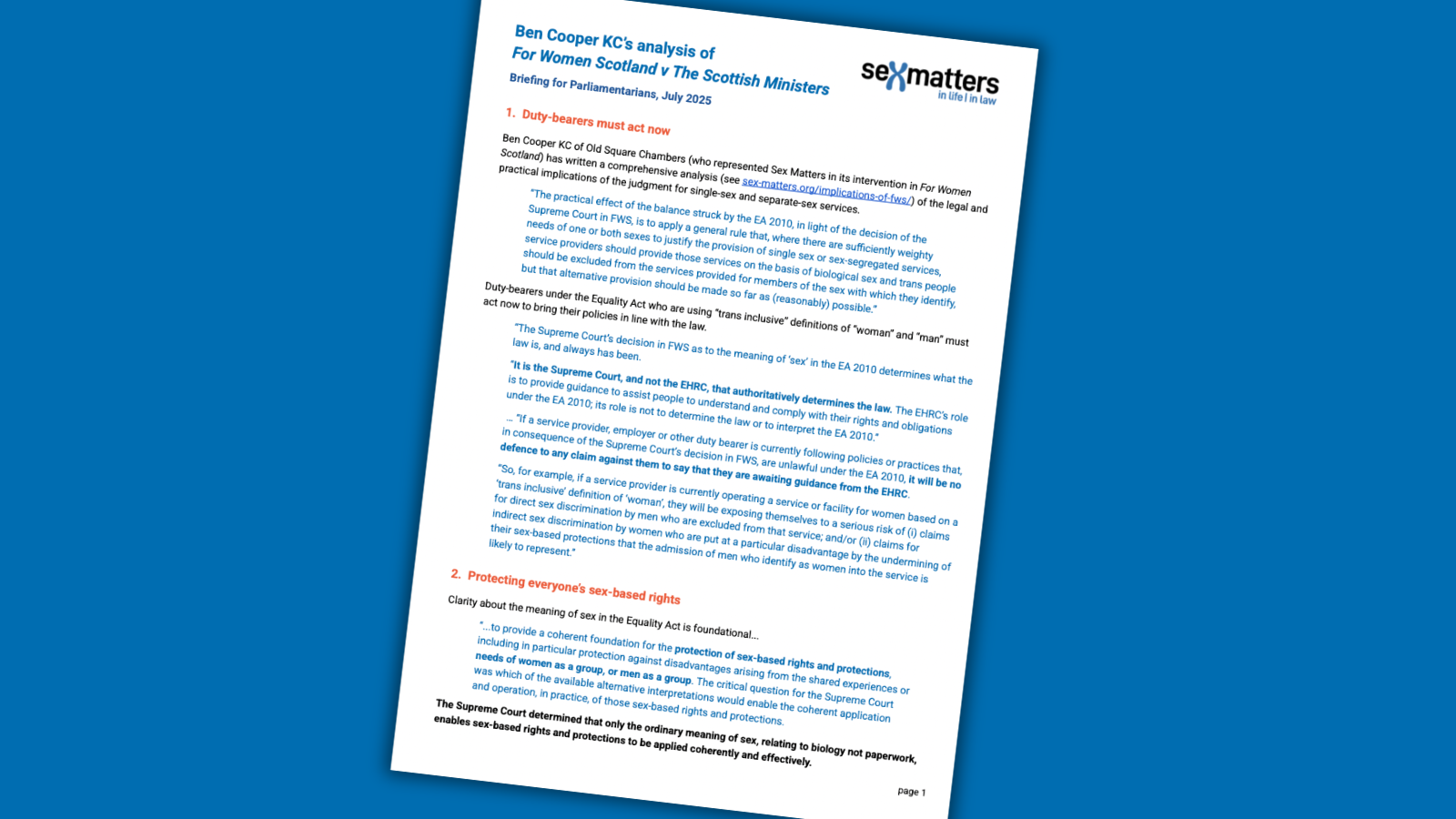
Ben Cooper KC’s analysis of FWS Supreme Court judgment – briefing for Parliamentarians
Five key points in a summary of the analysis by the lawyer who represented Sex Matters in our intervention in For Women Scotland.
-
Publication
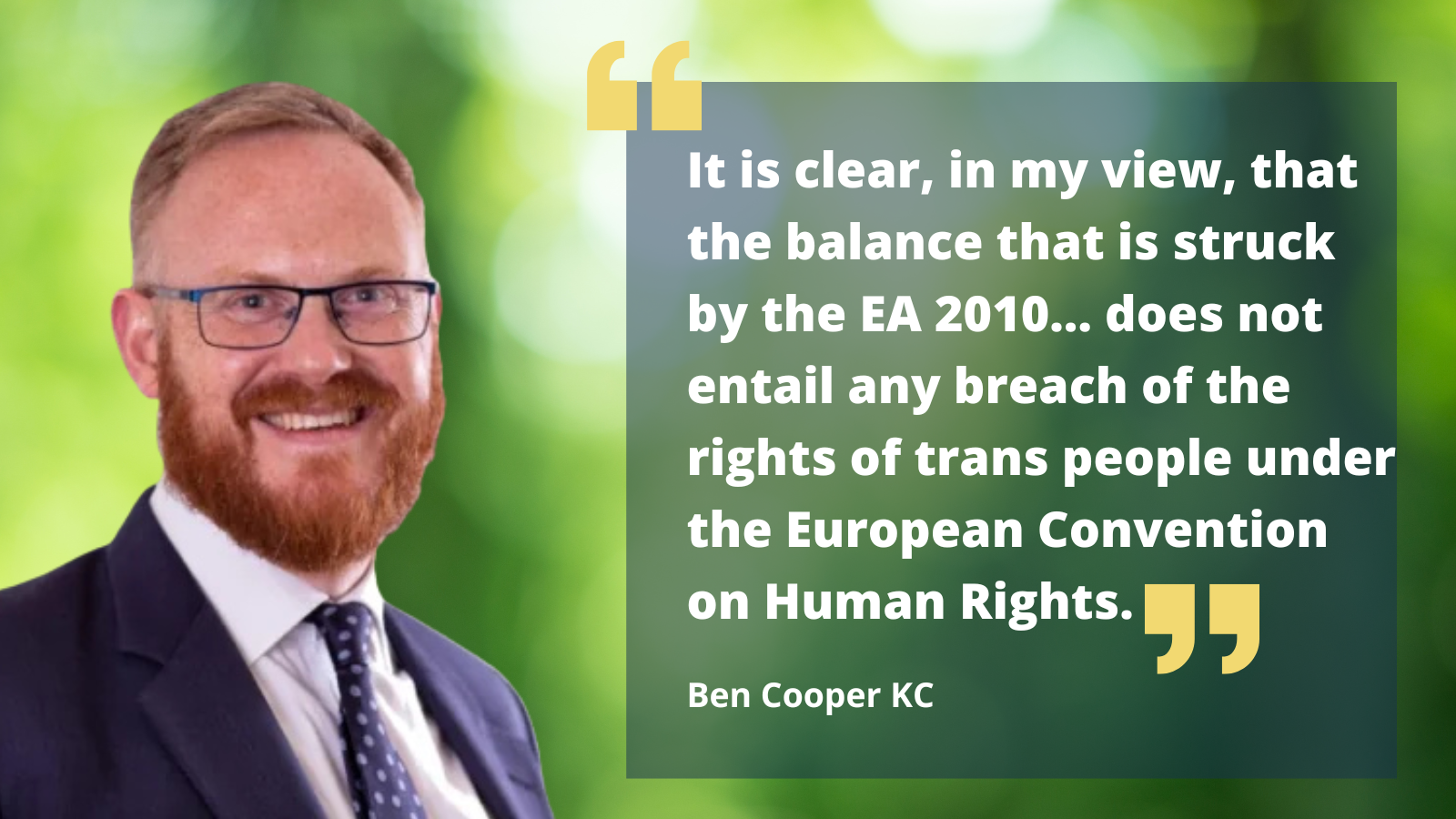
Ben Cooper KC explains the implications of FWS
For Women Scotland v The Scottish Ministers: why the Supreme Court’s judgment does not remove, diminish or breach the rights and protections of trans people
-
Publication

Article 8 and toilets – and other separate-sex facilities
An illustrated explanation of how human rights intersect with the Equality Act 2010 and the April 2025 Supreme Court judgment.
-
Publication
YouGov / Sex Matters survey results, May 2025
Results of fieldwork on 8th–9th May 2025.