
This is part of our Keep the women’s pond for women campaign |
Hampstead ponds – the City of London says it is sticking with “trans inclusion”
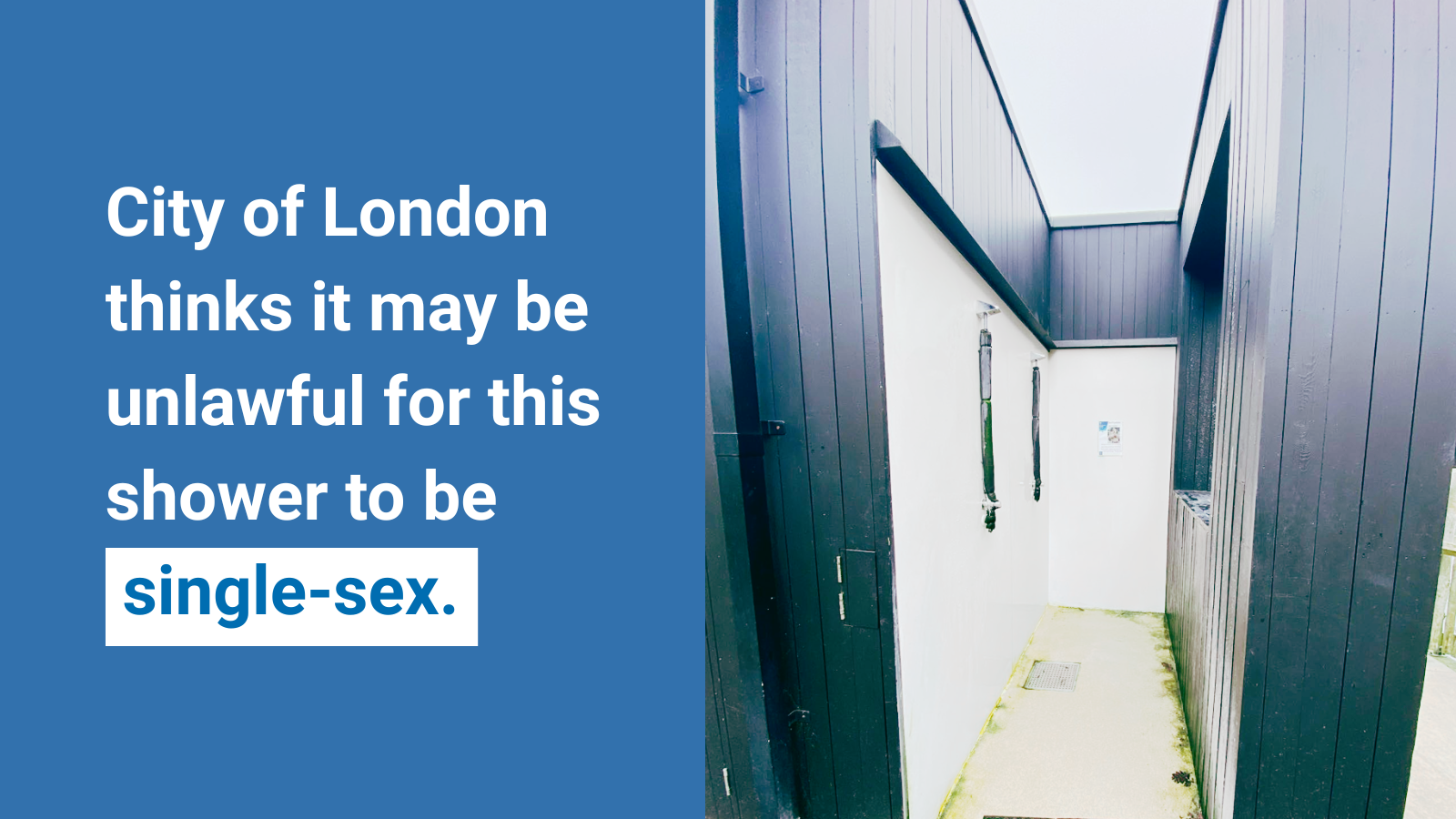
The City of London Corporation’s executive team has published its report on the future of the Hampstead Heath bathing ponds and has sent it for discussion and agreement by various committees during May and June.
The papers submitted to the committees show the knots organisations tie themselves in when they are unwilling to do the straightforward lawful thing. They offer a glimpse of the detail of the legal arguments the City’s executives are planning to rely on in court.
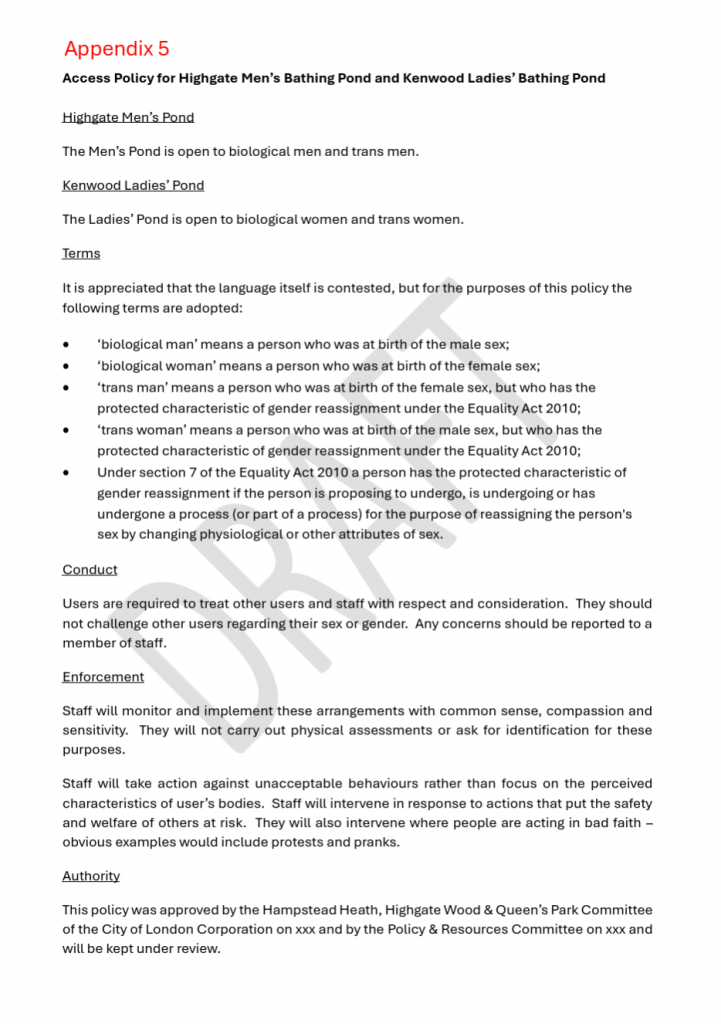
The policy recommendation from officials is that the men’s pond should continue to be open to “men and trans men” and the women’s pond to “women and trans women”. Users, it says, “should not challenge other users regarding their sex or gender”. Staff should concern themselves with behaviours, not bodies.
The policy is silent on what rules apply to non-binary identifying individuals (who were allowed to use whichever facilities they want under the 2019 policy). Seven percent of survey respondents said they were non-binary.
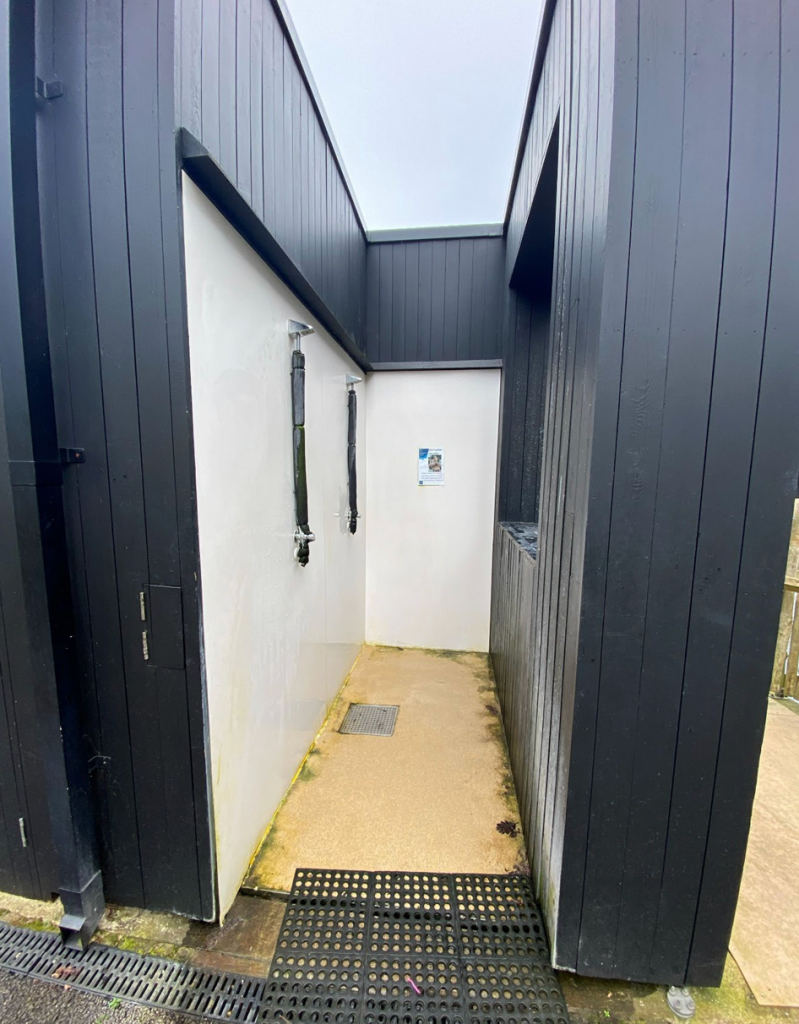
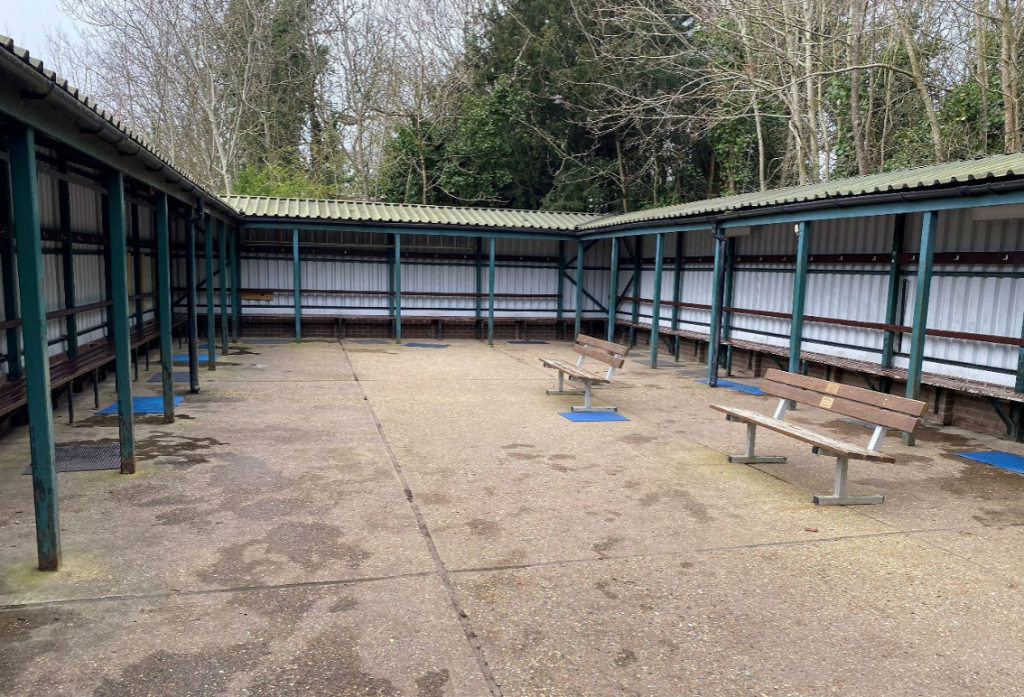
The pack includes a series of photographs of the facilities which the City officials say are situations where it would be unlawful for it to operate a strictly separate-sex service, and instead lawful to allow naked adult males to mix with 15-year-old girls.
The City of London relies strongly and credulously on its consultation, which received responses from 31,296 people who claimed to have used these facilities, including 20,821 who claimed to have used them in the previous three months.
It suggests that there could be a boycott of the ponds if it provided them as separate-sex services.
Because of the weight of numbers in the consultation, the City of London argues that it is not open to it to use paragraph 26 of Schedule 3 to provide a lawful separate-sex service:
“It is difficult to see how a policy of strict segregation on the basis of biological sex could be justified.”

Its equality impact assessment says:
“The absence of substantiated risk, the long-standing operation of the current arrangements without incidents, the availability of privacy enhancing facilities, and the strong support expressed through consultation evidence mean that restricting access by sex would be disproportionate to the concerns identified.”
Furthermore it says that its staff are unable to visually distinguish between males and females.
It says this is a complex situation, and “there are risks of unlawfully discriminating whichever option is adopted”. It notes that TransLucent (self-described as “advocates for the UK’s transgender and gender-diverse community”) has indicated that it intends to intervene in the proceedings.
The City officials say operating the two ponds with clear rules based on biological sex would:
“have an adverse effect on trans people, who would be forced to use alternative facilities where they do not feel as comfortable or safe. It would prevent them from bathing in the Pond corresponding to their lived gender.”
Instead of proposing the legally straightforward option of using paragraph 26 of Schedule 3 and providing the two ponds as a separate-sex service, the City’s executive invites the committee members to make decisions based on some extremely bold legal arguments:
- It says that the City of London doesn’t need to rely on Schedule 3 in order to avoid unlawful direct sex discrimination because its signs saying men only and women only refer to “lived gender, not biological sex”.
- In relation to indirect discrimination, it says that if allowing trans-identifying men into the women’s pond undermines the privacy, dignity and sense of safety of women, this can be justified as a proportionate means of achieving a legitimate aim. The legitimate aim is “ensuring that users can access the ponds according to their lived gender, whatever their biological sex”.
- It argues that its policy that allows fully intact males into spaces where teenage girls and women are showering can be justified as “positive action” pursuant to section 158 of the Equality Act 2010 as it overcomes a disadvantage of trans people “being unable to live fully in accordance with their gender on a day-to-day basis”. In other words, the disadvantage that trans people face is that other people have rights, and the solution that City officials propose is to disregard them.
On 5th May the Hampstead Heath Consultative Committee will discuss the report, followed by the Hampstead Heath, Highgate Wood & Queen’s Park Committee on 12th May. Finally on 4th June the Policy & Resources Committee will decide whether to adopt the recommended policy.
We look forward to testing these arguments in court.