
This is part of our The law is clear – so get on with it! and Protect sport for women and girls campaigns |
The law is clear: why are women waiting?
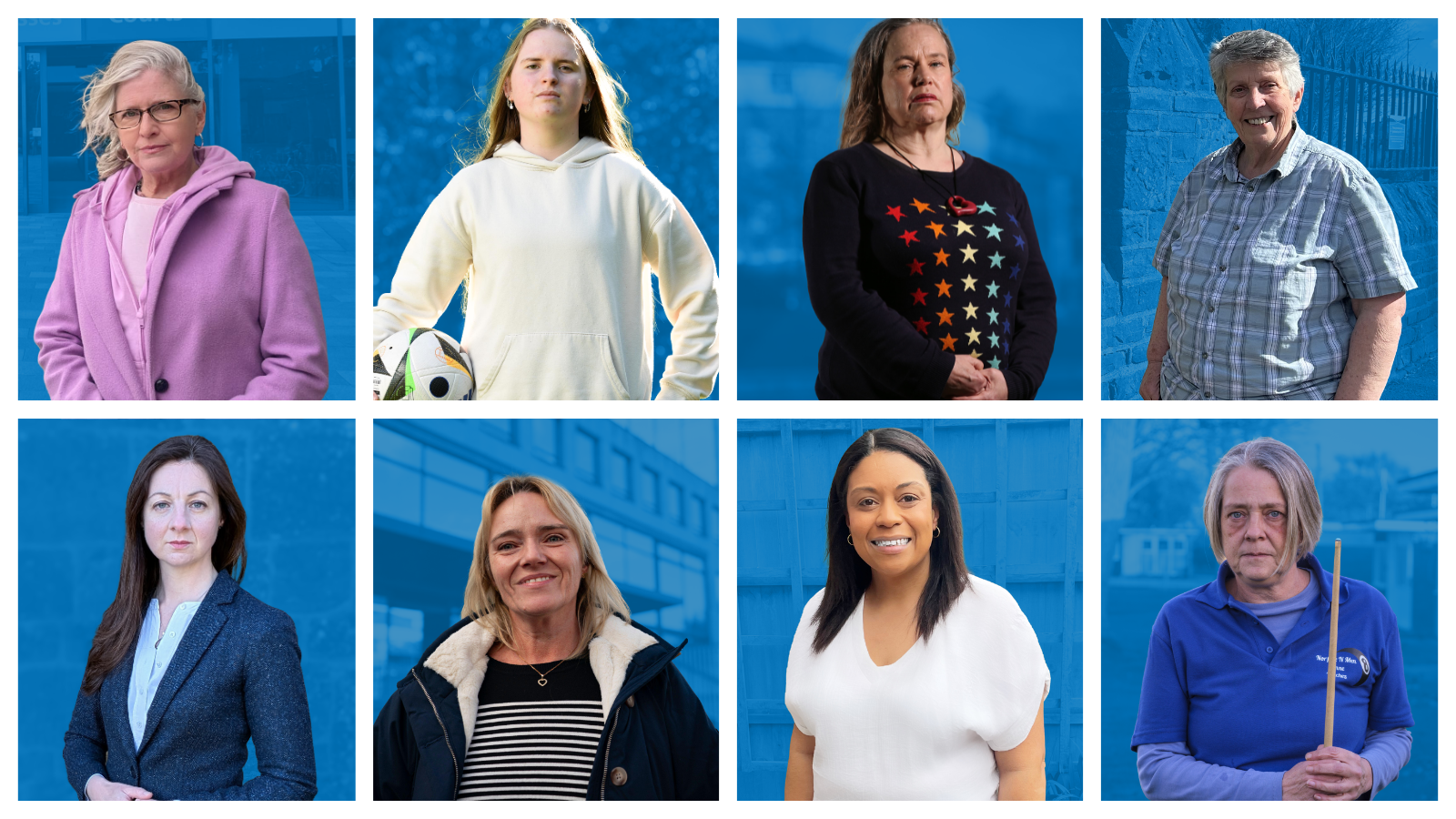
On 16th April 2025, the UK Supreme Court delivered its landmark judgment: the terms “man” and “woman” in the Equality Act 2010 refer to biological sex, and they always have.
And yet, one year on, that clarity has not translated into action. Public bodies, regulators, employers and charities that were expected to review and update their policies continue to delay, avoid or outright resist change. Others are removing services for women and girls altogether.
One year later, a new booklet from Sex Matters, asks a simple but urgent question:
If the law is settled, why are so many institutions still failing to follow it?
Through case studies and testimony, One year later shows how this failure is harming women and girls in:
- workplaces, where employees are not being provided with adequate facilities and face disciplinary action for raising concerns
- healthcare, where the NHS is continuing to operate based on gender self-ID
- local services, including leisure centres, refuges, and social care, which are not respecting the law
- sport, where a two-tier system in some sports protects elite athletes but leaves most women competing against trans–identifying men
- charities that are still wedded to the idea that “inclusion” means ignoring women’s rights
- criminal justice and safeguarding systems, where accurate data and risk assessment depend on clarity about sex.
Read the booklet
Send to your MP
Share on social media
The human impact
The booklet centres the voices of women who have experienced the consequences of this failure.It tells the stories of:
- a civil servant pushed out after raising concerns about policy compliance
- NHS staff disciplined for asserting sex-based boundaries
- women excluded from single-sex spaces — or penalised for objecting when those spaces are breached
- athletes facing unfair competition or sanctions for speaking out
- volunteers and carers deemed “unsuitable” for expressing mainstream safeguarding concerns.
Some contributors remain anonymous due to fear of professional or social repercussions. That alone speaks volumes.
These stories are part of a Sex Matters project called Where’s the harm?, where we will collect and expand stories that illustrate the harm to real people when institutions undermine and ignore the law.