
-

Opportunities reserved for girls
Tell organisations that programmes and prizes for women and girls must be based on sex,
14th June 2025
-
Action
Help us to protect women’s sport
If you don’t tell sports governing bodies what you think, they won’t know!
6th November 2024
-
Action
Tell us how male inclusion in women’s sport has affected you
Has male inclusion in girls’ or women’s sport affected you? Tell us your story, in complete confidence, so that...
11th October 2024
Protect sport for women and girls
We are winning in sport. The most popular sports for female participation in the UK have all restored a protected female category for competition. But there’s still work to be done…
What’s the problem?
The female category in sport is an inclusion measure. It gives girls and women the opportunity to participate, compete, excel and win. Female athletes at every level lose out when they have to compete with and against males.
But the female category has been opened up to male athletes who identify as women, on the basis of weak evidence and guidance to prioritise “inclusion” ahead of fairness, as explained here.
This affects both competitive sport and recreational activity organised by sex, such as women-only swimming sessions or bike rides. Permitting men to self-identify as women to access toilets and changing rooms is also a deterrent for women and girls, as this report shows.
What’s the solution?
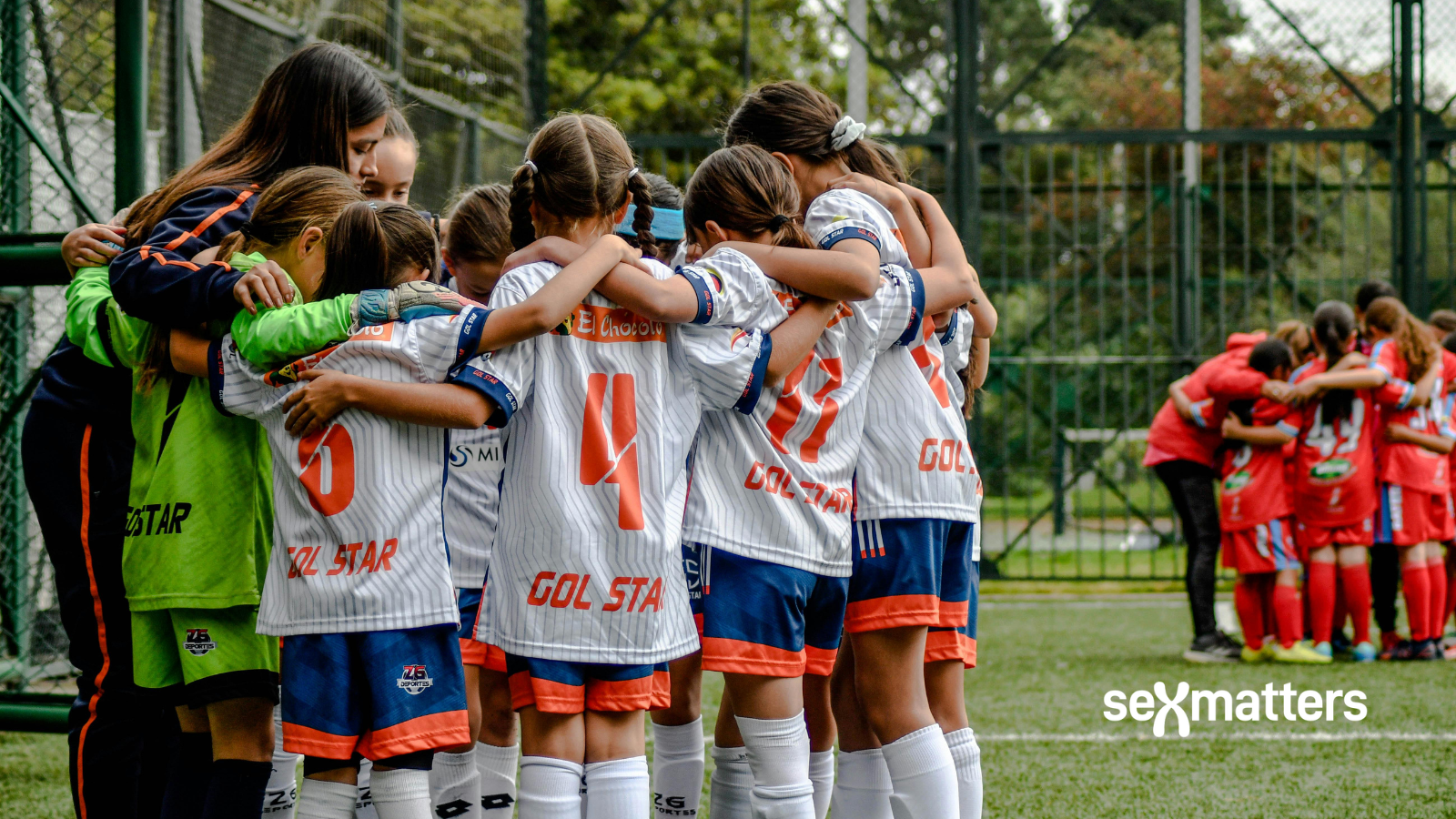
The UK Sports Councils have provided guidance that, in any sex-affected sport, male inclusion in the women’s category cannot be fair for women and girls. In most sports, the simple solution is to restrict the women’s category to those born female and broaden the men’s category to be open so there is a place for everyone.
It is lawful under the Equality Act section 195 to do this based on sex at birth for “a sport, game or other activity of a competitive nature” which is: “a gender-affected activity… a sport, game or other activity of a competitive nature in circumstances in which the physical strength, stamina or physique of average persons of one sex would put them at a disadvantage compared to average persons of the other sex as competitors in events involving the activity.”
The Supreme Court judgment in For Women Scotland v The Scottish Ministers reinforced this position. It also stated that a single-sex service must exclude everyone of the other sex. This means that services or spaces provided for “women including transwomen” have no basis in law.
What can you do?

Competitive sport
You can check which sports have restored fairness for women and girls on our sport policies page. If your sport has not yet done so, write to your governing body asking it to fix this.
If you or someone you know has been affected by male inclusion in a women’s sporting event, whether competitive or not, please let us know. Most sport governing bodies are not monitoring this, and claim there is no problem. We can tell them that is not so.
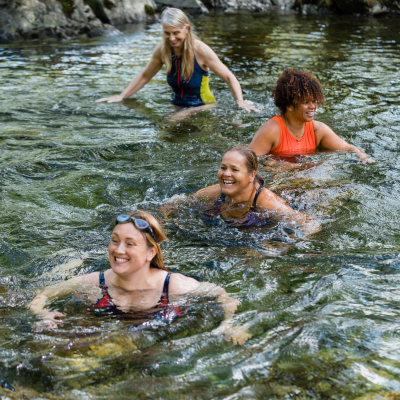
Recreational sport
The Equality Act Schedule 3 section 27 allows single-sex or separate-sex provision of services if it is a proportionate means to a legitimate aim, such as if “a joint service for persons of both sexes would be less effective”. This is the rationale for women-only swimming sessions and exercise classes, and for programmes to increase female participation, such as British Cycling’s Breeze rides and PaddleUK’s ShePaddles.
Following the Supreme Court judgment, these should not be mixed-sex if they are described as being for women.

Changing rooms and toilets
Any facility labelled as being for one sex should not be used by the other sex. Many sports bodies have policies suggesting that people should use the facilities that match the gender they identify with, or choose the facilities they feel most comfortable with. These policies are unlawful if they include facilities marked as single sex. Leisure centre operators also have such policies, whether in writing or simply in practice. These can all be called out as unlawful following the Supreme Court judgment.
It is not obligatory for a service-provider to provide single-sex facilities but if they are labelled as such then it is not lawful to permit them to be mixed sex in practice.
Take action now
Updates
-
Update

Sex matters in sport
Sport and physical recreation are one of the most obvious places where women and girls need dedicated provision and...
5th June 2026
-
Update
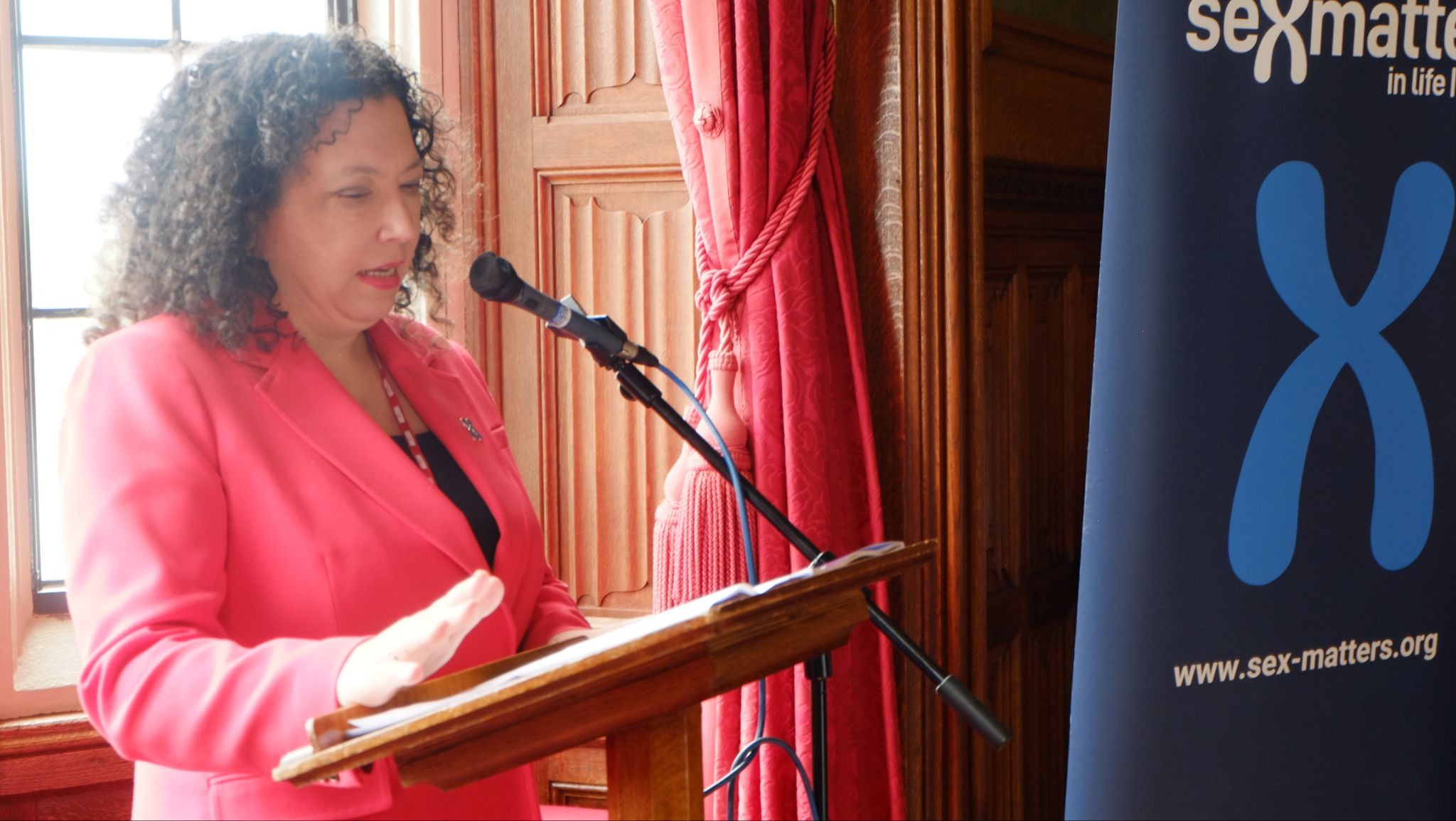
Enabling and protecting sport for women and girls
On 4th June 2026, Sex Matters launched its latest report on sport: Getting back on track: Using the Equality...
5th June 2026
-
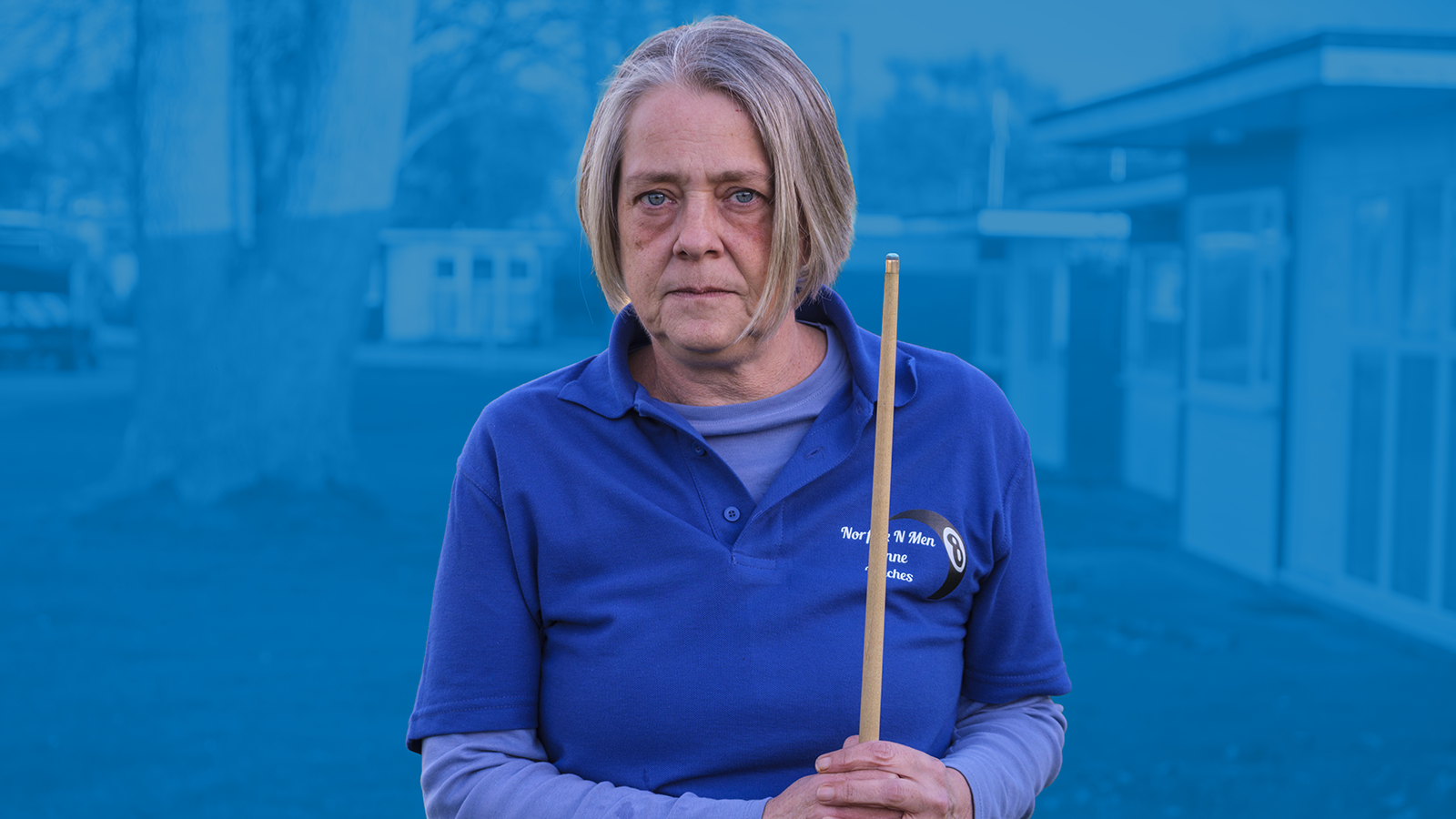
Lynne Pinches, professional pool player
This isn’t about hating anyone. It’s about fairness. Men have physical advantages over women, and no amount of practice...
16th April 2026
-
Update
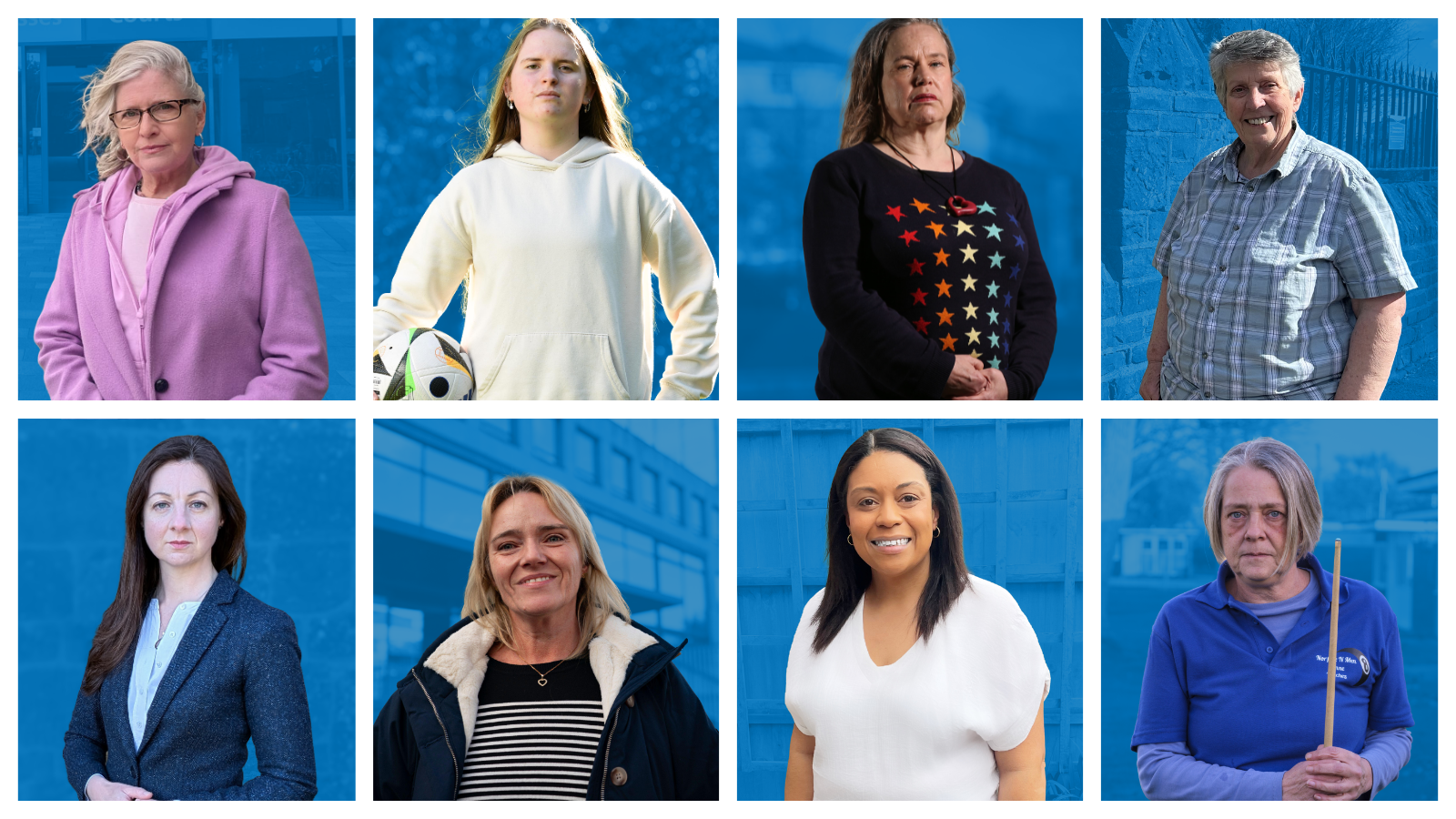
The law is clear: why are women waiting?
On 16th April 2025, the UK Supreme Court delivered its landmark judgment: the terms “man” and “woman” in the...
10th April 2026
Resources
-
Video
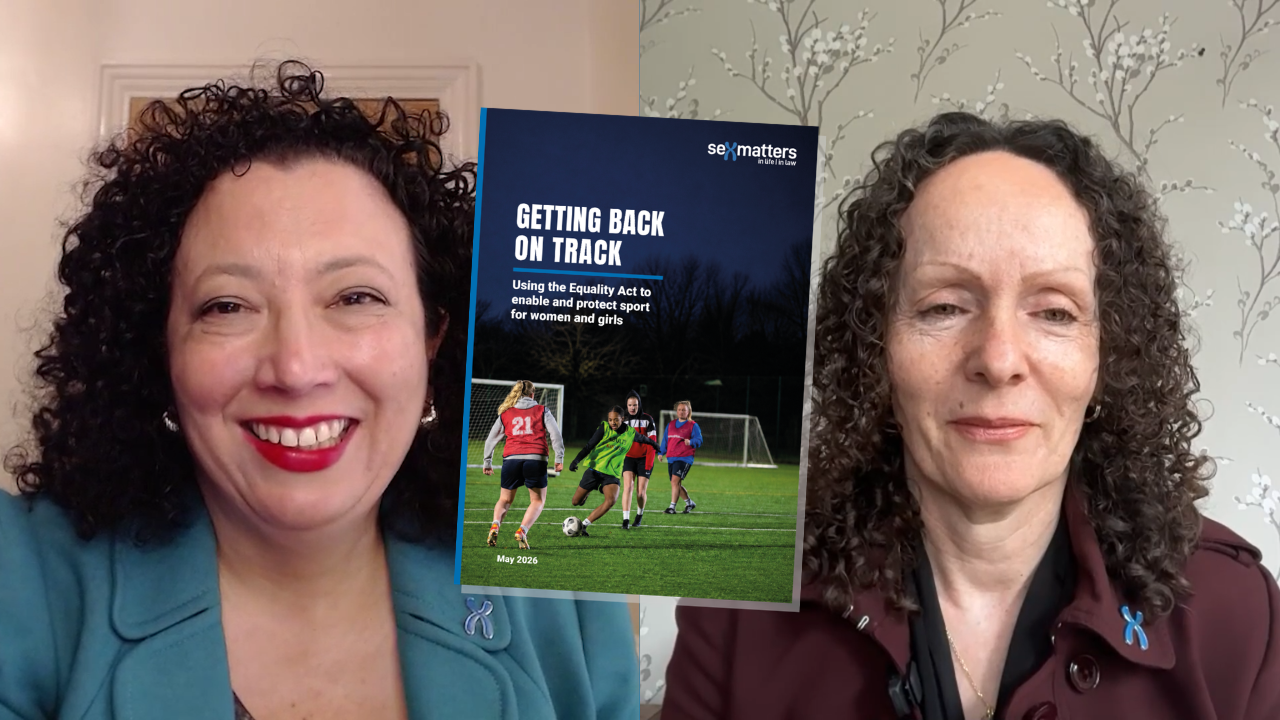
Getting back on track: a new report
How UK law provides for separate sport for women and girls.
5th June 2026
-
Publication
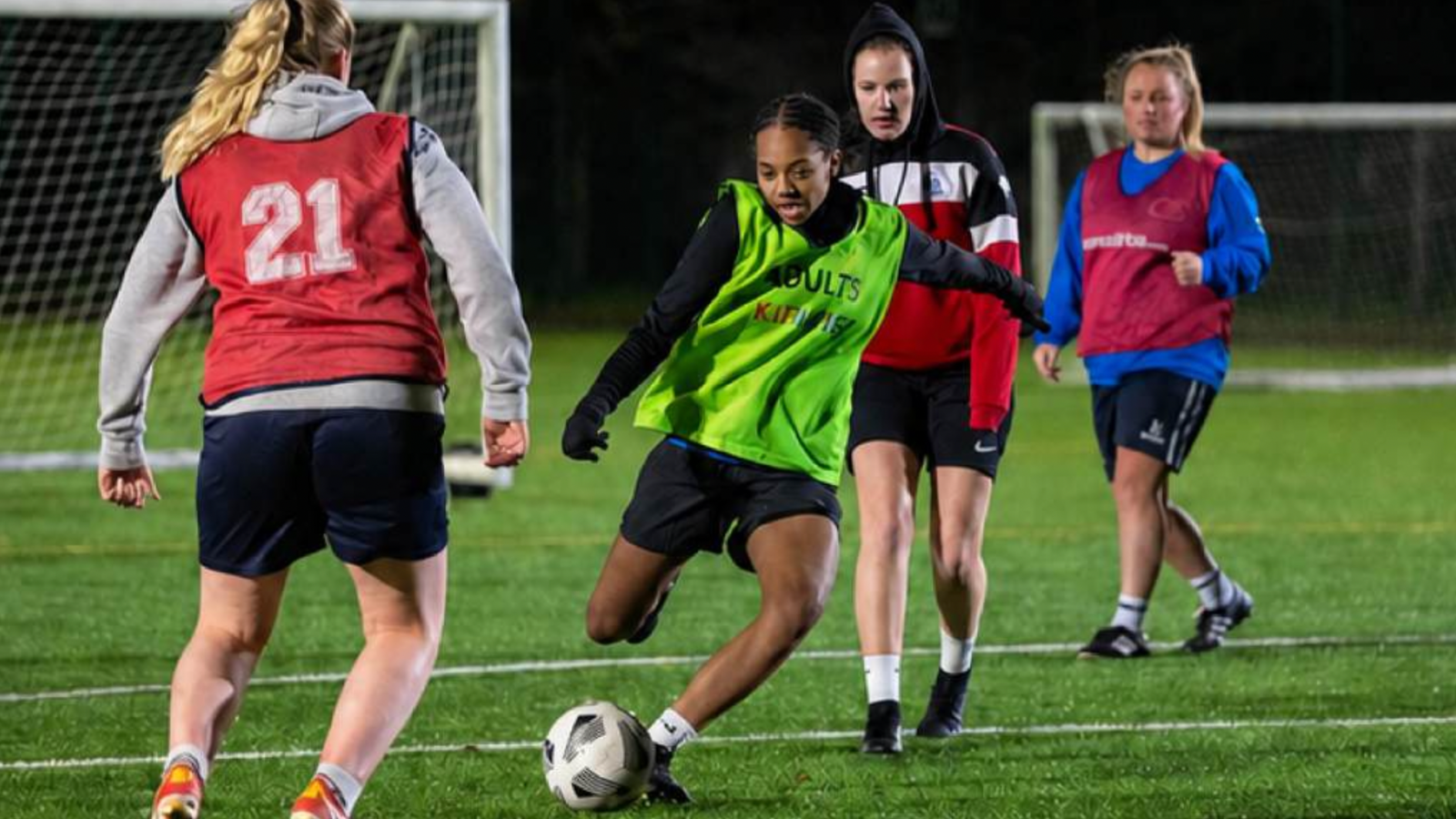
Getting back on track
Using the Equality Act to enable and protect sport for women and girls
4th June 2026
-

Sport and the Law
The Supreme Court ruling in April 2025 clarified the existing law so it is clear that such policies are...
4th June 2026
-
Publication
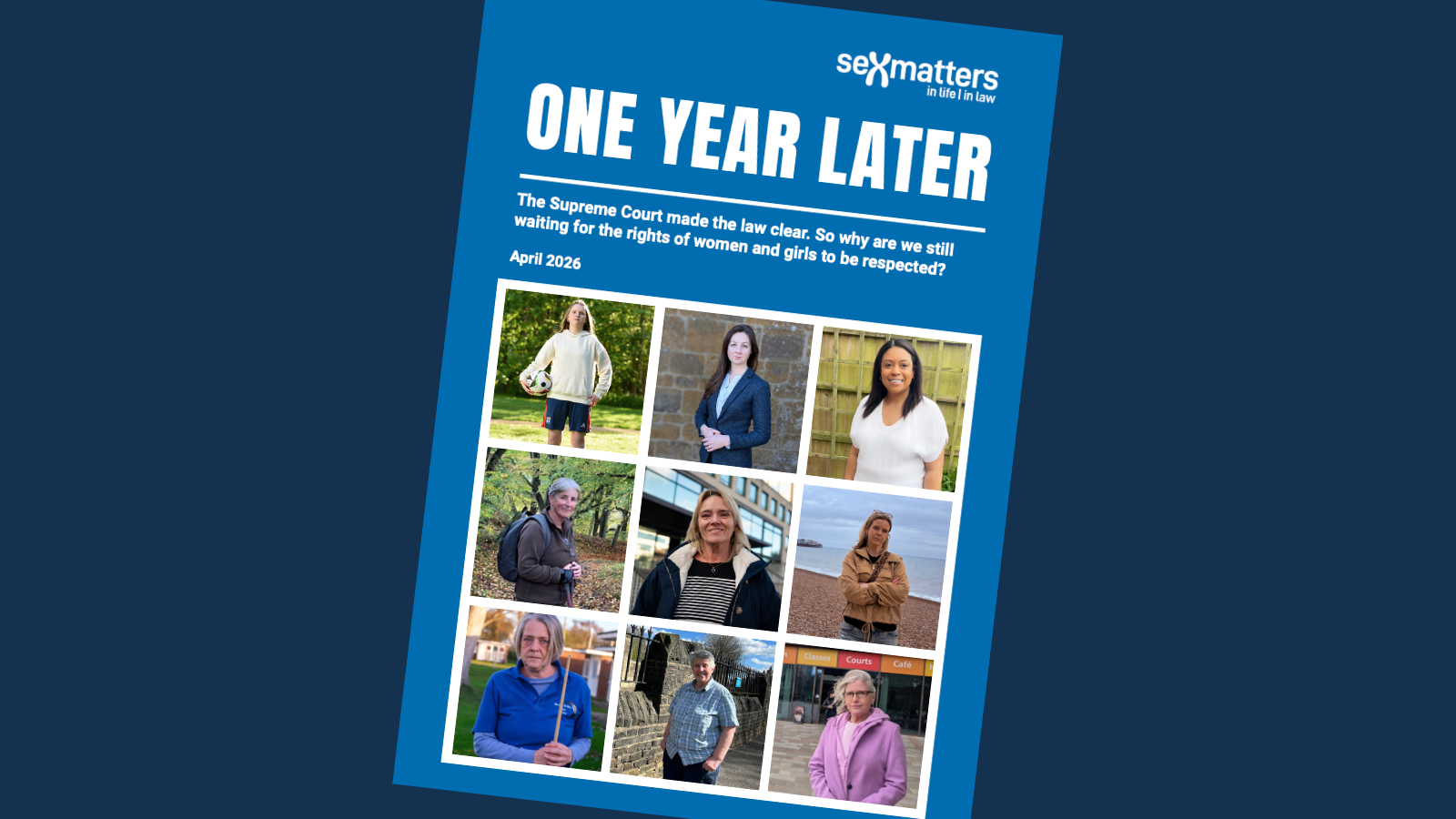
One year later
The Supreme Court made the law clear. So why are we still waiting for the rights of women and...
9th April 2026